Open post

ZTE Nubia Red Magic 10 Pro Price, Specs, and Best Deals

The ZTE Nubia Red Magic 10 Pro is a gaming smartphone aimed at delivering maximum performance. It features a high gaming performance, a brilliant AMOLED display, an outstanding cooling system, a decent main camera, a long-lasting battery, and a user-friendly OS. With the new Snapdragon 8 Elite chipset, 7050 mAh battery capacity,y and a display with 144Hz, the Nubia Red Magic 10 Pro offers top-notch performance for a mid-market price.

ZTE Nubia Red Magic 10 Pro Key Specs and Features

  • 6.85 inches AMOLED Display, 1216 x 2688 pixels (~431 ppi density), 144 Hz Refresh Rate
  • Android 15, up to 1 major Android update and 2 Redmagic OS updates, Redmagic OS 10
  • Qualcomm SM8750-AB Snapdragon 8 Elite (3 nm) Octa Core Processor (2×4.32 GHz Oryon V2 Phoenix L + 6×3.53 GHz Oryon V2 Phoenix M)
  • Built-in Cooling Fan
  • 12GB, 16GB, 24GB RAM
  • 50 MP (wide) + 50 MP (ultrawide) + 2 MP (macro) Triple Rear Camera
  • 16 MP Front Under Display Camera
  • Fingerprint Sensor (under display, optical)
  • 256GB, 512GB, 1TB Built-in Storage
  • 4G LTE Support
  • 5G Support
  • Wi-Fi 6 and Wi-Fi 7 Support
  • 100W Fast Charging Capacity
  • 7050 mAh Li-ion Si/C Battery (Global Model)

Design

The ZTE Red Magic 10 Pro isn’t just another gaming phone; it’s a device that blends high performance with sleek design and practical features. If you’re familiar with the Red Magic 9S Pro, you’ll notice that not much has changed in terms of shape and size, it still has that same boxy build, measuring 163 x 76 x 9mm and weighing 229g. While these specs aren’t revolutionary, they help the phone maintain a solid, premium feel that’s crucial for gamers who want something sturdy and reliable.

The standout element here is the rear design, which features RGB lighting. Unlike other phones that go overboard with flashy lights, the RedMagic 10 Pro uses RGB in a subtle, tasteful way. The Red Magic 10 Pro comes with three separate lighting zones: one around the fan, another forming a geometric X shape near the top, and a third illuminating the RedMagic logo at the bottom. The lights aren’t just for aesthetics; they’re designed to work with the phone’s cooling system, which is essential when you’re pushing the device to its limits with intense gaming.

The transparent back panel, made from Gorilla Glass 5, gives you a peek into the phone’s internals— an interesting choice for those who appreciate seeing the technology at work. However, this transparency comes with a small trade-off: if you’re upgrading from an older model, your previous case might not fit because of slight changes in the position of the camera module and flash.

Speaking of the camera, the Red Magic 10 Pro features a sleek, flush design that minimizes bulk. The rear module has three rings, but only two are functional: a 50MP wide-angle and an ultrawide camera. The third ring is actually a window for the cooling fan. It’s a cool design choice that reflects the phone’s focus on gaming performance. The camera itself is simple but powerful, providing decent quality for both photos and video, while the flash, positioned just outside the module, keeps the back of the phone from sticking out when laid flat.
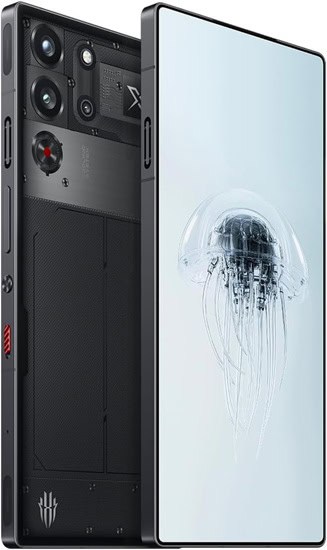
ZTE Nubia RedMagic 10 ProZTE Nubia RedMagic 10 Pro

The front display is another highlight. The 6.85-inch screen is flat and clean, surrounded by slim, evenly sized bezels. The under-display selfie camera is nearly invisible, allowing for an uninterrupted screen experience. It’s a nice touch for users who prefer a minimal look. Plus, the use of aviation-grade aluminum for the frame gives the phone a tough yet elegant feel.

– Advertisement –Protect and Monitor your KidsProtect and Monitor your Kids

When it comes to usability, RedMagic has carefully placed all the controls and ports in places that make sense for gaming. The right side features tactile power and volume buttons, along with capacitive triggers for gaming. The Game Space switch is easily accessible, allowing you to switch between modes when gaming or doing other tasks. The left side houses another vent for cooling, ensuring the device stays at optimal temperature even during prolonged gaming sessions.

The cooling system is one of the more interesting aspects of the 10 Pro. The vents along the sides of the phone expel hot air, helping the internal fan do its job without interrupting the phone’s design. This means the phone can stay cool and perform well without slowing down, even when you’re playing the latest high-end games.

At the bottom, you’ll find a USB-C port, SIM tray, and a loudspeaker, while the top includes a 3.5mm headphone jack, secondary speaker, and IR blaster. The presence of the headphone jack is a bonus for gamers who prefer wired audio, and the two speakers help create a richer, more immersive sound experience.

Display

The display on the ZTE Red Magic 10 Pro represents a significant upgrade over previous models, enhancing both visual clarity and user experience. It features a 6.85-inch AMOLED panel with a resolution of 2,688 x 1,216 pixels, giving it a crisp, sharp image quality of about 431 pixels per inch (ppi).

– Advertisement –Best WordPress Hosting 2024Best WordPress Hosting 2024

This is a noticeable step up from the FHD+ resolution of earlier devices, sitting comfortably between full HD and 1.5K resolution—enough to deliver sharp visuals without being quite as demanding as a 2K display. The result is a vibrant, detailed image that is especially appealing for gaming, media consumption, and general use.

The colors pop with rich saturation, thanks to the 1B color depth that AMOLED technology brings, while deep blacks create a high contrast that enhances the overall viewing experience. Whether you’re watching movies or playing games, the screen does an excellent job of showcasing vibrant visuals.

You’ll especially appreciate the brightness levels. The peak brightness has been bumped up to an impressive 2,000 nits, which is a noticeable improvement over the previous 1,600 nits. This makes the display much easier to use under direct sunlight, ensuring visibility even in bright outdoor conditions.

One of the standout features of this display is its 144Hz refresh rate, which ensures an ultra-smooth experience when scrolling, gaming, or navigating through the interface. With refresh rate options ranging from 60Hz, 90Hz, 120Hz, to 144Hz, users have flexibility depending on what they’re doing.

For more casual tasks like watching videos on YouTube or Netflix, the phone defaults to the Intelligent Adjustment mode, automatically switching between 60Hz and 120Hz to save power. When you’re gaming or doing something more intense, it can ramp up to 144Hz, providing the buttery smoothness that gamers crave.

In terms of protection, the display is safeguarded by Corning Gorilla Glass, offering peace of mind against scratches and minor drops. The combination of durability and vibrant visuals makes this screen one of the best in the market for a gaming phone.

The screen-to-body ratio stands at an impressive ~91.4%, making the display feel expansive, especially when watching content or gaming. With minimal bezels surrounding the screen, it’s easy to get lost in the experience, making this a top-tier display for any gaming or multimedia enthusiast.

Camera

The camera setup on the ZTE Red Magic 10 Pro is solid, but it doesn’t bring anything dramatically new to the table when compared to its predecessors. With a familiar triple-camera arrangement on the back and a 16MP under-display selfie camera, the phone’s photography capabilities feel more like an incremental upgrade rather than a leap forward.

The main rear camera features a 50MP OmniVision OV50E40 sensor with an f/1.9 aperture. This sensor is a large one, measuring 1/1.5″, and it comes with phase detection autofocus (PDAF) and optical image stabilization (OIS).

In good lighting conditions, this camera is capable of capturing vibrant, sharp, and detailed images. However, there’s a noticeable tendency for the photos to come out with overly bright and sometimes oversaturated colors.

If you’re shooting a landscape or a scene with a lot of color, this can enhance the overall look, giving the photos a vivid and striking quality. But on the downside, it can also make things look unnatural, especially when you’re photographing subjects with subtle tones or softer lighting. It’s not a huge deal, but it’s something that may irritate those who prefer more balanced, true-to-life colors.

The camera does come with some options to improve the experience. By default, the 50MP sensor uses pixel binning to produce 12MP shots that focus on enhancing dynamic range and low-light performance.

For those who want to take full advantage of the sensor’s 50MP resolution, there’s an option to switch to “Full Size” mode, which gives you the full-resolution image. These shots, while packed with more detail, can sometimes end up noisier, especially in low light, but they’ll generally show more fine detail than the default 12MP shots.

Next to the main sensor, the ZTE Red Magic 10 Pro includes a 50MP ultrawide camera with a f/2.2 aperture. This sensor, the OmniVision OV50D40, is good for wide shots, but it doesn’t quite have the same level of performance as the main camera. While it can capture wide angles with reasonable detail, the images often lack the sharpness and clarity of the primary lens. It also struggles a bit in low-light conditions, where photos tend to lose their crispness and the overall image quality drops.

Additionally, the 2MP macro camera is the least impressive of the three, offering little beyond the novelty of extreme close-ups. It’s not the sort of lens you’ll use regularly since the results are usually underwhelming and grainy.

The rear camera system also excels in video capabilities. It supports 8K video recording at 30fps, which, while not always practical, is a nice feature for those who want to capture ultra-high-definition content. More commonly, you’ll be using the 4K video recording at either 30fps or 60fps.

The 1080p video recording is also robust, offering frame rate options of 30fps, 60fps, 120fps, and 240fps, allowing for a wide range of creative flexibility. Video stabilization is decent, and the results are solid for casual recording, whether you’re shooting during the day or in more challenging lighting conditions.

As for the 16MP under-display selfie camera, it’s a mixed bag. The camera, which sits neatly under the screen, captures decent images in most conditions, but there are a few quirks to be aware of. While it delivers good resolution and clarity, the color reproduction can be a bit off. In particular, greens tend to look overly saturated, and reds can appear a bit too dull, leading to selfies that might not look as natural as you’d like.

Another downside is the lens flare, which can be quite prominent when you’re shooting with sunlight streaming onto the display. This can make the selfies look washed out and less clear than those from traditional front-facing cameras, especially in bright environments.

Despite these issues, the 16MP under-display camera is still capable of taking good selfies in well-lit environments. The HDR feature helps with exposure, making sure that highlights and shadows are well-balanced, and while it doesn’t reach the quality of high-end dedicated front cameras, it gets the job done for casual shots and video calls.

What stands out most about the RedMagic 10 Pro’s camera system is its software. It’s not drastically different from what we’ve seen in previous Nubia devices, but it’s feature-rich. The Pro camera mode is an excellent option for those who want to dive into manual settings. You can control everything from white balance to ISO and aperture, giving you the flexibility to fine-tune your shots. If you’re someone who enjoys experimenting with different camera settings, you’ll appreciate the depth of control available.

Hardware and Software

The ZTE Red Magic 10 Pro combines the latest in cutting-edge technology and gaming-specific features to offer a smartphone experience that’s truly tailored for performance. From the customized RedMagic OS 10 to the robust Snapdragon 8 Elite chipset, this phone is designed to give users the best of both worlds: seamless performance and a gaming-centric experience.

Under the hood, the Red Magic 10 Pro is powered by the Snapdragon 8 Elite chipset, built on a 3nm process. This powerful chip includes an octa-core CPU with two high-performance cores running at 4.32 GHz (Oryon V2 Phoenix L) and six additional cores at 3.53 GHz (Oryon V2 Phoenix M), paired with the Adreno 830 GPU.

This combination gives the phone a 45% power boost and a 44% improvement in battery efficiency compared to its predecessor, which translates into both performance improvements and longer-lasting power. The addition of the RedCore 3 chip further elevates gaming performance by handling graphical tasks, optimizing battery life, and assisting with heat management—perfect for extended gaming sessions.

For storage and memory, the ZTE Red Magic 10 Pro offers impressive configurations: 256GB or 512GB of UFS 4.1 Pro storage, combined with either 12GB or 16GB of LPDDR5X Ultra RAM.

For power users, there’s the Dusk Ultra configuration, which packs a massive 24GB of RAM and 1TB of storage, making it one of the most powerful mobile devices in terms of raw performance and storage capabilities. This setup ensures that the RedMagic 10 Pro can handle anything, from multitasking to graphically intense games and apps, with ease.

The Android phone is also equipped with the latest LPDDR5X RAM and UFS 4.1 Pro storage technology, making it one of the first smartphones to feature Qualcomm’s new custom Oryon CPU. This custom chip is designed to deliver superior on-device AI processing, improving everything from app performance to camera enhancements.

In addition to speed, the new LPDDR5X RAM is 13% faster than its predecessor while consuming 30% less power, contributing to a more efficient overall experience.

Furthermore, the ZTE Red Magic 10 Pro runs on RedMagic OS 10, based on Android 15, which brings a smooth and efficient user interface with a focus on optimizing gaming and power usage.

While it is promised to receive one major Android update to Android 16 and three years of security patches, it’s not as aggressive as some other manufacturers in terms of software longevity. However, given the phone’s emphasis on gaming, the updates from RedMagic OS itself should keep the user experience fresh. RedMagic OS 10 provides a host of tools that integrate deeply with the phone’s hardware, particularly for gamers.

One standout feature is the Gamespace, an in-game overlay and set of tools designed to enhance the gaming experience. This has been a signature feature on RedMagic devices since their inception and continues to impress.

The Gamespace now consists of two large, symmetrical menus that appear on each side of the display, which are easily accessible with a single tap. Here, you can monitor key stats like CPU and GPU frequency, and, importantly, your in-game frame rate (FPS).

The AI Trigger, Crosshair feature, and X Gravity are also embedded within the interface, providing tools that give gamers the edge by improving accuracy, adjusting settings in real time, and enhancing control during gameplay. These features are designed to keep the experience as immersive and smooth as possible, with the ability to adjust things on the fly.

When it comes to cooling, the ZTE Red Magic 10 Pro is equipped with the ICE-X cooling system, featuring liquid metal cooling technology usually found in gaming laptops. A 23,000 rpm fan, reaching an ultra-quiet 4dB, keeps the phone cool even during the most demanding gaming sessions. This means you can push the phone to its limits without worrying about overheating or performance throttling, which is a common issue in many gaming phones.

Meanwhile, the Red Magic 10 Pro packs a colossal 7,050mAh battery, which is an absolute game-changer. This size is ideal for extended gaming sessions and ensures that the phone will last you several days on a single charge with regular use. It also supports 100W wired charging, so even if you do need to charge up, it’ll be incredibly fast, minimizing downtime.

The ZTE Red Magic 10 Pro also supports Wi-Fi 7 tri-band, Bluetooth 5.4, NFC, and USB Type-C 3.2 Gen 2, offering fast connectivity and enhanced performance for gaming and everyday use.

ZTE Nubia Red Magic 10 Pro Price and Availability

ZTE Nubia Red Magic 10 Pro price starts at around $649.00 at leading retailers. The model offering 16GB RAM and 512GB ROM retails for $764.15, 789.65 EUR, and 704.65 GBP on Amazon stores in the United States, Germany, and the United Kingdom respectively.

ZTE Nubia Red Magic 10 Pro Specs

Here are a few specs of the ZTE Nubia Red Magic 10 Pro:

General Features

  • Platform: Android 15, up to 1 major Android update and 2 Redmagic OS updates, Redmagic OS 10
  • Processor: Qualcomm SM8750-AB Snapdragon 8 Elite (3 nm) Octa Core Processor (4.32 GHz dual-core Oryon V2 Phoenix L and 6×3.53 GHz Hexa-core Oryon V2Phoenix M)
  • GPU: Adreno 830
  • Memory: 12GB, 16GB, 24GB RAM
  • Colours: Moonlight (Transparent Silver Deuterium), Dusk (Transparent Dark Knight), Shadow (Dark Knight), White Knight, Lightspeed
  • Dimension: 163.4 x 76.1 x 8.9 mm
  • Weight: 229 g
  • SIM Type: Nano SIM
  • SIM Count: Dual-SIM

Display

  • Display: 6.85 inches AMOLED Display, 1216 x 2688 pixels (~431 ppi density), ~91.4% screen-to-body ratio, 144Hz Refresh Rate, 2000 nits (peak) Brightness
  • Screen Protection: Corning Gorilla Glass
  • Foldable Display: No

Camera

  • Rear Camera: 50 MP (wide), f/1.9, PDAF, OIS + 50 MP (ultrawide), f/2.2 + 2 MP (macro), f/2.4 Triple Camera
  • Rear Camera Features: LED Flash, HDR, Panorama, 8K@30fps, 4K@30/60fps, 1080p@30/60/120/240fps
  • Front Camera: 16 MP (wide) f/2.0 Under Display Camera, HDR, 1080p@30/60fps

Storage

  • Built-in Storage: 256GB, 512GB, 1TB
  • Memory Card Support: No
  • Bundled Cloud Storage:

Network Support

  • 2G GSM: GSM 850 / 900 / 1800 / 1900
  • 2G CDMA 1X: CDMA 800 / 1900
  • 3G WCDMA: HSDPA 800 / 850 / 900 / 1700(AWS) / 1900 / 2100
  • 3G CDMA EVDO: CDMA2000 1xEV-DO
  • 4G LTE: Yes, LTE Bands 1, 2, 3, 4, 5, 7, 8, 12, 17, 18, 19, 20, 26, 28, 34, 38, 39, 40, 41, 42, 66
  • 5G: Yes, 5G Bands 1, 2, 3, 5, 7, 8, 20, 26, 28, 38, 40, 41, 66, 71, 77, 78 SA/NSA

Internet and Connectivity

  • GPRS: Yes
  • EDGE: Yes
  • 3G/WCDMA/HSPA: Yes
  • HSPA+: Yes
  • CDMA EVDO: Yes
  • 4G LTE: Yes
  • 5G: Yes
  • WLAN: Yes, Wi-Fi 802.11 a/b/g/n/ac/6/7, Wi-Fi 6, Wi-Fi 7, tri-band, Wi-Fi Direct
  • Wi-Fi Hotspot: Yes
  • Bluetooth: Yes, Bluetooth 5.4, A2DP, LE
  • NFC: Yes (market/region dependent)
  • Infrared Blaster: Yes
  • USB Port: Yes, USB Type-C 3.2 Gen 2, OTG, accessory connector, DisplayPort

Messaging

  • SMS/MMS: Yes
  • Instant Messaging: Yes
  • Push Emails: Yes
  • Email Protocol:

Entertainment

  • Music Player: Yes
  • Video Player: Yes
  • FM Radio:
  • Loudspeaker: Yes, with stereo speakers
  • 3.5mm Jack: Yes

Navigation

  • Navigation: Yes, GPS (L1+L5), GLONASS, BDS, GALILEO
  • Maps: Yes

Sensors and Control

  • Digital Compass: Yes
  • Accelerometer: Yes
  • Proximity Sensor: Yes
  • Light Sensor: Yes
  • Barometer:
  • SpO2:
  • Pedometer:
  • Heart Rate Monitor:
  • Gyroscope: Yes
  • Fingerprint Scanner: Yes, (under display, optical)
  • Iris Scanner:
  • Face Unlock:
  • Stylus Pen:
  • Intelligent Digital Assistant: Yes
  • Motion Sensing / Gesture Control:
  • Voice Control: Yes

Other Features

  • Video Streaming: Yes
  • Active Noise Cancellation: Yes
  • Wireless Charging:
  • Built-in Mobile Payment:
  • Water Resistant:
  • Dust Resistant:
  • Image Editor: Yes
  • Video Editor: Yes
  • Document Viewer:
  • Document Editor:

Battery

  • Battery: 7050 mAh Li-ion Si/C Battery (Global)
  • Talktime:
  • Standby Time:
  • Fast Charging: 100W Fast Charging Capacity (Global Model)
Open post

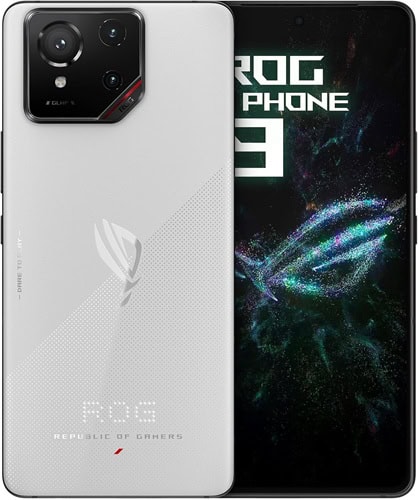
ASUS ROG Phone 9 Pro Price, Specs, Features and Best Deals

ASUS has officially launched the ROG Phone 9 Pro and ROG Phone 9, successors to last year’s ROG Phone 8 and ROG Phone 8 Pro. The Pro version features the new Snapdragon 8 Elite chip, a premium design with an AniMe Vision LED setup, and a 6.78-inch AMOLED display with a 185Hz refresh rate. It comes bundled with the AeroActive Cooler X Pro fan for enhanced cooling. The ASUS ROG Phone 9 Pro also boasts a large 5800 mAh battery, a 50MP main camera, 13MP ultrawide, 32MP 3x zoom, and a 32MP front camera for impressive photography and performance.

ASUS ROG Phone 9 Pro Key Specs and Features

  • 6.78 inches LTPO AMOLED Display, 1080 x 2400 pixels (~388 ppi density), ~88.2% screen-to-body ratio
  • Always-on Display
  • Android 15, up to 2 major Android upgrades
  • Qualcomm SM8750-AB Snapdragon 8 Elite (3 nm) Octa Core Processor
  • 16GB, 24GB RAM
  • 50 MP (wide) + 32 MP (telephoto) + 13 MP (ultrawide) Triple Rear Camera
  • 32 MP Front Camera
  • Fingerprint Sensor (under display, optical)
  • Rear-facing Mini-LED (648 dots) programmable matrix
  • Dust and Water Resistance (IP68)
  • 512GB, 1TB Built-in Storage
  • 4G LTE Support
  • 5G Support
  • Wi-Fi 6e and Wi-Fi 7 Support
  • 65W Fast Charging Capacity
  • 5800 mAh Battery

Design

The Asus ROG Phone 9 Pro has a design that immediately stands out, making it clear that it’s built for both style and performance. It’s a phone that’s designed with gamers in mind, but it doesn’t just look good for gaming; it also handles everyday use with ease.

The Android phone is made with Corning Gorilla Glass Victus 2 on both the front and rear, which adds durability and makes the phone more resistant to scratches and cracks. This is a big plus, as it ensures the phone can withstand the daily wear and tear of normal use.

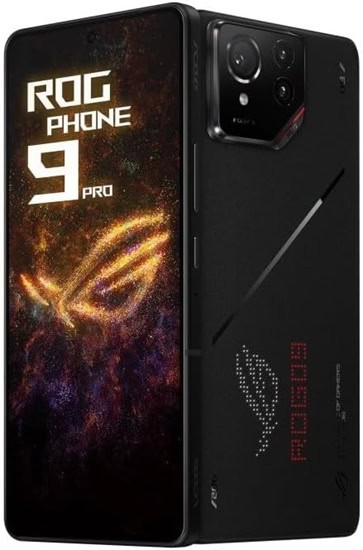
The back of the ASUS phone has a matte finish, which makes it feel smooth and soft to the touch, but more importantly, it resists fingerprints. This means that even if you’re constantly holding your phone, it won’t get dirty or greasy as easily as some other phones with glossy finishes. The frame is made of matte aluminum, which not only adds to the phone’s premium look but also keeps it feeling solid and well-built in your hands.

When you pick up the ROG Phone 9 Pro, it feels hefty but not too heavy. It measures 163.8 x 76.8 x 8.9 mm and weighs 227 grams, which makes it large enough to feel substantial but not so heavy that it’s uncomfortable to carry around. The phone’s angular design with chamfered edges gives it a sharp, modern look, and the way it’s shaped makes it easy to hold, even with its size.

One of the most striking features of the ASUS ROG Phone 9 Pro is its LED rear display. The back of the phone has a panel made of 648 mini-LEDs, which are tiny lights that are embedded into the glass.

When the phone is turned off, these LEDs are completely invisible, giving the phone a clean, sleek look. But when they light up, they add a touch of personality and style.

– Advertisement –Protect and Monitor your KidsProtect and Monitor your Kids

One of the coolest aspects of the AniMe Matrix (the name Asus gives to the rear LED display) is its customization options. The LEDs can light up in various patterns, colors, and animations, depending on how you choose to set it up.

For example, the lights can be programmed to show different notifications for things like incoming calls, messages, or app alerts. This makes the ROG Phone 9 Pro feel more interactive and alive, giving you a way to see your phone’s status without needing to pick it up or unlock it.

ASUS ROG Phone 9 ProASUS ROG Phone 9 Pro

The LED display is divided into two main zones: a larger array of white LEDs and a smaller section of red LEDs. The larger white section serves as the main notification display, while the red section adds extra contrast, making the lights more eye-catching and dynamic. This division of light zones means you can have a bit of variety in how the LEDs light up, allowing you to make different types of notifications stand out.

– Advertisement –Best WordPress Hosting 2024Best WordPress Hosting 2024

In addition to serving as a notification center, the LEDs can be used for more personalized touches. You can create custom animations to appear on the rear panel, which can be anything from a static logo to an intricate animation that lights up in different patterns. This gives users the ability to make their phone truly unique and tailor it to their preferences, whether they want it to match their gaming style or just express something more personal.

On the rear, the camera module is located at the top left of the back panel. It’s positioned neatly, so it doesn’t stick out too much and doesn’t disrupt the phone’s clean lines.

The ASUS ROG Phone 9 Pro features an in-display fingerprint reader, which is fast and responsive. You can unlock your phone with just a touch, making it convenient and secure.

The phone also has an IP68 rating for water and dust resistance, which means you don’t have to worry about the occasional spill or dust getting into the phone. This is a great feature if you tend to use your phone in less-than-ideal conditions, like while exercising, walking outside in bad weather, or working in dusty environments.

When it comes to gaming, the AirTrigger sensors are a standout feature of the ROG Phone 9 Pro. These sensors are located on the side of the phone and allow you to use gestures to control certain actions, like aiming or shooting in a game, with just a touch.

The sensors are pressure-sensitive, so you can squeeze or tap the sides of the phone to interact with it, making the gaming experience feel more like using a gaming controller. This feature is especially useful for gamers who want more control and responsiveness in their games. Additionally, there’s squeeze detection that adds another layer of interaction, allowing for even more customization in how you use the phone.

The ROG Phone 9 Pro also includes two nano-SIM slots, so you can use two SIM cards at once, which is helpful for those who travel or want to keep personal and business numbers separate. This feature adds extra flexibility, making the phone even more functional.

Display

The ASUS ROG Phone 9 Pro features an impressive 6.78-inch Samsung E6 OLED display that continues the legacy of its predecessor but with notable upgrades. The display itself is designed to impress, offering LTPO AMOLED technology with support for 1 billion colors. This results in rich, vibrant colors and deeper contrast, enhancing everything from gaming visuals to video streaming.

One of the most remarkable upgrades is the 185Hz peak refresh rate. This is a significant jump from previous models, providing smoother and more responsive visuals, especially when gaming or navigating through the interface.

The display also supports adaptive refresh rates, ranging from 1Hz to 120Hz, depending on the content being viewed or interacted with. This means the screen can adjust the refresh rate to save battery when you’re not actively using the phone for tasks that need high refresh rates, like gaming or scrolling.

The 165Hz mode is also available, but, it is fixed with no automatic switching, yet it offers great balance between smoothness and power efficiency. For video playback, the phone automatically detects content and switches to 48Hz, 30Hz, or 24Hz modes, ensuring the most optimal viewing experience based on the frame rate of the video.

Furthermore, the addition of a 720Hz touch sampling rate means inputs are registered faster, making it especially responsive during intense gaming sessions.

In terms of brightness, the ROG Phone 9 Pro doesn’t fall short. With a peak brightness of 2,500 nits for HDR content, the display is easily visible even in direct sunlight, which is particularly useful for outdoor use.

For everyday use, the screen can comfortably reach 1,600 nits of brightness, ensuring that you can still read content clearly without any issues, even under bright light conditions. This level of brightness, combined with the HDR10+ support, makes the display exceptional for streaming HDR content or playing games that support high dynamic range.

For those who love to stream videos, the ROG Phone 9 Pro offers the highest possible Widevine L1 DRM certification, meaning it can stream Full HD content from services like Netflix. This ensures that you get the full resolution of the display when watching videos on these platforms, allowing you to fully enjoy the crisp, sharp images that the screen is capable of producing.

The display is protected by Corning Gorilla Glass Victus 2, which adds durability and resistance to scratches and drops. This makes the ROG Phone 9 Pro a solid choice for users who want a stunning display but also need it to withstand the usual wear and tear that comes with daily use.

Camera

The ASUS ROG Phone 9 Pro boasts an impressive camera system, designed to capture high-quality images and videos across different scenarios.

Of the three rear cameras, the 50 MP main camera is a standout. This camera has received an upgrade, now featuring the Sony Lytia 700 sensor. This is paired with a new six-axis Hybrid Gimbal Stabilizer 4.0, which improves image stability by compensating for up to five degrees of vibration.

It also features a f/1.9 aperture and a 24mm focal length which improves the light sensitivity while capturing pictures at a wide-angle view. The 1/1.56-inch sensor size allows for better low-light performance by capturing more light, which improves image quality and reduces noise in darker settings.

Additionally, the 1.0µm pixel size ensures sharp and detailed images, while PDAF (Phase Detection Autofocus) ensures quick and accurate focusing, even on moving subjects.

The Gimbal OIS (Optical Image Stabilization) enhances the camera’s stability, reducing blur during handheld shots and providing smooth, steady photos and videos, even in low-light or action-packed scenarios. This makes a huge difference when shooting video or photos on the move, allowing for smoother, clearer shots, even when the phone is shaking or when you’re walking.

The ultrawide camera is carried over from the previous generation, featuring a 13 MP sensor with a 120˚ field of view, perfect for capturing wide landscapes or large group shots. However, the lack of autofocus means it’s not suitable for close-up shots, but it does work well for wide-angle captures.

The 32 MP telephoto camera with 3x optical zoom offers some impressive features, including PDAF (Phase Detection Autofocus) and OIS (Optical Image Stabilization) for steady and sharp images.

Thanks to HyperClarity technology, it’s designed to provide clear, crisp shots even at higher magnifications. However, the quality starts to degrade when you go beyond 5x magnification, with noticeable softness at 30x zoom, although it remains functional in daylight.

Video recording on the ROG Phone 9 Pro is another area where this phone shines. The 50 MP main camera supports video recording up to 8K at 30fps, which is excellent for capturing ultra-detailed footage. However, if you prefer 60fps for smoother motion, you’ll need to drop the resolution down to Ultra HD (4K) or lower.

It’s worth noting that while the ROG Phone 9 Pro supports high-end video features, such as HDR10+ and gyro-EIS (Electronic Image Stabilization), the gimbal stabilization works only in Full HD video, which means that 4K and **8K video may not benefit from the same level of stabilization.

The ultrawide camera is also capable of 4K video recording, though it lacks autofocus, which limits its versatility. This means you can capture wide shots and landscapes in 4K, but the camera cannot focus on close objects, making it unsuitable for detailed or macro shots. Additionally, the telephoto camera, while offering impressive zoom capabilities, also cannot serve as a good selfie camera due to its inability to focus on nearby subjects.

For selfies, the 32 MP front camera offers high-resolution photos, but as mentioned earlier, the video recording is limited to 1080p at 30fps, which means it won’t capture videos at higher frame rates, like 60fps. Despite this, it still provides clear and sharp selfies with good color accuracy and detail, especially when shooting in well-lit environments.

Hardware and Software

The ASUS ROG Phone 9 Pro is powered by the Qualcomm SM8750-AB Snapdragon 8 Elite chipset, a 3nm processor designed for maximum performance. This chipset is not only used in top-tier smartphones but also in high-end laptops, which underscores its powerful capabilities.

It features a well-balanced octa-core CPU with two high-performance cores, the Oryon V2 Phoenix L, running at 4.32 GHz and six efficiency cores known as Oryon V2 Phoenix M clocked at 3.53 GHz. This design allows the phone to handle demanding tasks such as gaming, multitasking, and productivity apps effortlessly.

The high-performance cores ensure quick execution of intensive tasks, while the efficiency cores manage less demanding activities, optimizing power consumption and extending battery life. This setup provides the phone with the ability to maintain high performance without compromising energy efficiency during everyday use.

Additionally, the Adreno 830 GPU offers up to 40% performance boost over previous generations. This enhanced graphical capability translates into smoother gameplay, better visuals, and more stable frame rates, making it ideal for graphically demanding mobile games.

The GPU’s improved performance ensures that the ROG Phone 9 Pro can handle the latest games with ease, providing an immersive and fluid experience. Whether it’s detailed graphics or fast-paced action, the Adreno 830 allows the phone to deliver a more responsive and visually captivating experience, with stable performance even during extended gaming sessions.

Running on Android 15, the ASUS ROG Phone 9 Pro introduces several AI-driven features to improve usability. Features like live translation during phone calls, AI-powered wallpapers, and semantic image search in the gallery make the user experience more intelligent and convenient. These AI enhancements add a layer of customization and functionality that enhances the overall experience, making the phone more intuitive and engaging.

Asus has also committed to providing two major Android updates and five years of security updates, ensuring the phone stays secure and up-to-date for an extended period, offering users confidence in their device’s longevity.

Thermal management has been significantly upgraded in the ROG Phone 9 Pro with the addition of the Rapid Cooling Conductor.

This new cooling system improves thermal efficiency by 20%, effectively drawing heat away from the mainboard and directing it to the rear panel of the device. The heat dissipation system is designed to keep internal temperatures stable, particularly during resource-heavy activities like gaming.

The rear panel gets warm during intense use, indicating that the cooling system is working to prevent overheating and thermal throttling, ensuring the phone performs optimally without reducing speed due to excessive heat.

The AeroActive cooler, a separate attachment, works in conjunction with the cooling system to provide additional heat dissipation, contributing to a more stable gaming experience with lower surface temperatures.

In terms of memory and storage, the ASUS ROG Phone 9 Pro offers impressive options, with choices of 512GB of storage with 16GB of RAM or 1TB of storage with 24GB of RAM, both using UFS 4.0 technology.

This setup ensures that the Gaming phone delivers ultra-fast read and write speeds, making app launches and multitasking faster and smoother. Whether you’re storing large games, media files, or running multiple apps simultaneously, this storage solution provides ample space and ensures that the phone remains responsive under heavy usage.

The phone is equipped with a 5800 mAh battery, providing long-lasting power for extended use. The device supports 65W wired charging, allowing for a full charge in just 46 minutes, which is perfect for users who need quick charging during short breaks.

For those who prefer wireless charging, the ROG Phone 9 Pro also supports 15W wireless charging (Qi) and 10W reverse wired charging, adding flexibility to various charging scenarios. The rapid charging capabilities ensure that you spend less time waiting and more time using the device, whether you are gaming, browsing, or working.

ASUS ROG Phone 9 Pro Price and Availability

ASUS ROG Phone 9 Pro price starts at around $889 at leading retailers. The model offering 16GB RAM and 512GB ROM retails for $1,130.00, 1,295.00 EUR, and 1,149.99 GBP on Amazon stores in the United States, Germany, and the United Kingdom respectively.

ASUS ROG Phone 9 Pro Specs

Here are a few specs of the ASUS ROG Phone 9 Pro:

General Features

  • Platform: Android 15, up to 2 major Android upgrades
  • Processor: Qualcomm SM8750-AB Snapdragon 8 Elite (3 nm) Octa Core Processor (4.32 GHz dual-core Oryon V2 Phoenix L and 3.53 GHz Hexa-core Oryon V2Phoenix M)
  • GPU: Adreno 830
  • Memory: 16GB, 24GB RAM
  • Colours: Phantom Black
  • Dimension: 163.8 x 76.8 x 8.9 mm
  • Weight: 227 g
  • SIM Type: Nano SIM, eSIM
  • SIM Count: Dual-SIM

Display

  • Display: 6.78 inches LTPO AMOLED Display, 1080 x 2400 pixels (~388 ppi density), ~88.2% screen-to-body ratio, 185Hz Refresh Rate, HDR10, 1600 nits (HBM), 2500 nits (peak) Brightness, Always-On display
  • Screen Protection: Yes, Corning Gorilla Glass Victus 2
  • Foldable Display: No

Camera

  • Rear Camera: 50 MP (wide), f/1.9, PDAF, gimbal OIS + 32 MP (telephoto), f/2.4, PDAF, OIS, 3x optical zoom + 13 MP (ultrawide), f/2.2, 120˚ FoV Triple Camera
  • Rear Camera Features: LED Flash, HDR, Panorama, 8K@30fps, 4K@30/60/120fps, 1080p@30/60/120/240fps, 720p@480fps; gyro-EIS, HDR10+
  • Front Camera: 32 MP (wide) f/2.5 Camera, Panorama, HDR, 1080p@30fps

Storage

  • Built-in Storage: 512GB, 1TB
  • Memory Card Support: No
  • Bundled Cloud Storage:

Network Support

  • 2G GSM: GSM 850 / 900 / 1800 / 1900
  • 2G CDMA 1X:
  • 3G WCDMA: HSDPA 800 / 850 / 900 / 1700(AWS) / 1900 / 2100 – Global
  • 3G CDMA EVDO:
  • 4G LTE: Yes, LTE Bands 1, 2, 3, 4, 5, 7, 8, 12, 17, 18, 19, 20, 25, 26, 28, 32, 34, 38, 39, 40, 41, 42, 43, 48, 66 – International
  • 5G: Yes, LTE Bands 1, 2, 3, 5, 7, 8, 12, 18, 20, 25, 26, 28, 38, 40, 41, 48, 66, 77, 78, 79 SA/NSA/Sub6 – International

Internet and Connectivity

  • GPRS: Yes
  • EDGE: Yes
  • 3G/WCDMA/HSPA: Yes
  • HSPA+: Yes
  • CDMA EVDO:
  • 4G LTE: Yes
  • 5G: Yes
  • WLAN: Yes, Wi-Fi 802.11 a/b/g/n/ac/6e/7, Wi-Fi 6e, Wi-Fi 7, tri-band, Wi-Fi Direct
  • Wi-Fi Hotspot: Yes
  • Bluetooth: Yes, Bluetooth 5.4, A2DP, LE, aptX HD, aptX Adaptive, aptX Lossless
  • NFC: Yes
  • Infrared Blaster:
  • USB Port: Yes, USB Type-C (side), DisplayPort 1.4; USB Type-C (bottom), OTG

Messaging

  • SMS/MMS: Yes
  • Instant Messaging: Yes
  • Push Emails: Yes
  • Email Protocol:

Entertainment

  • Music Player: Yes
  • Video Player: Yes
  • FM Radio:
  • Loudspeaker: Yes, with Stereo Speakers
  • 3.5mm Jack: Yes

Navigation

  • Navigation: Yes, GPS (L1+L5), BDS (B1I+B1c+B2a), GALILEO (E1+E5a), QZSS (L1+L5), NavIC (L5), GLONASS
  • Maps: Yes

Sensors and Control

  • Digital Compass: Yes
  • Accelerometer: Yes
  • Proximity Sensor: Yes
  • Light Sensor: Yes
  • Barometer:
  • SpO2:
  • Pedometer:
  • Heart Rate Monitor:
  • Gyroscope: Yes
  • Fingerprint Scanner: Yes, (under display, optical)
  • Iris Scanner:
  • Face Unlock:
  • Stylus Pen:
  • Intelligent Digital Assistant: Yes
  • Motion Sensing / Gesture Control:
  • Voice Control: Yes

Other Features

  • Video Streaming: Yes
  • Active Noise Cancellation: Yes
  • Wireless Charging: Yes, 15W Wireless Charging
  • Built-in Mobile Payment:
  • Water Resistant: Yes
  • Dust Resistant: Yes
  • Image Editor: Yes
  • Video Editor: Yes
  • Document Viewer:
  • Document Editor:

Battery

  • Battery: 5800 mAh Battery
  • Talktime:
  • Standby Time:
  • Fast Charging: 65W Fast Charging Capacity, 15W Fast Wireless Charging Capacity
Open post

ASUS ROG Phone 9 Price, Specs, Features and Best Deals

The ASUS ROG Phone 9 is a gaming powerhouse launched alongside its sibling, the ROG Phone 9 Pro, succeeding the ROG Phone 8 from earlier last year. It features a stunning 6.78-inch E6 AMOLED display with 120Hz refresh rate and 1ms response time offering vibrant visuals and ultra-smooth gameplay. The device also includes customizable cooling features, long-lasting battery life, and AirTriggers for enhanced control. It also comes with an amazingly powerful new Snapdragon 8 Elite chipset and a sleek, modern aesthetic.

Asus ROG Phone 9 Key Specs and Features

  • 6.78 inches LTPO AMOLED Display, 1080 x 2400 pixels (~388 ppi density), 185 Hz Refresh Rate
  • Always-on Display
  • Android 15, up to 2 major Android upgrades
  • Qualcomm SM8750-AB Snapdragon 8 Elite (3 nm) Octa Core Processor
  • 12GB, 16GB RAM
  • 50 MP (wide) + 13 MP (ultrawide) + 5 MP (macro) Triple Rear Camera
  • 32 MP Front Camera
  • Fingerprint Sensor (under display, optical)
  • Rear-facing Mini-LED (85 dots) programmable matrix
  • Dust and Water Resistance (IP68)
  • 256GB, 512GB Built-in Storage
  • 4G LTE Support
  • 5G Support
  • Wi-Fi 6e and Wi-Fi 7 Support
  • 65W Fast Charging Capacity
  • 15W Fast Wireless Charging Capacity
  • 5800 mAh Battery

Design

The ASUS ROG Phone 9 continues the brand’s tradition of delivering visually striking designs tailored for gamers, and this model strikes a balance between bold gaming aesthetics and premium build quality.

The back of the ROG Phone 9 is where the design really stands out. The phone features a small yet captivating LED dot matrix display called “AniMe Vision.” Unlike the Pro model with its larger array of LEDs, the ROG Phone 9 opts for a more subtle 5×17 matrix of 85 mini LEDs.

The AniMe Vision auxiliary display features 85 programmable mini-LEDs for an array of exclusive animations that react to your interactions. However, when turned off, it is totally invisible, so you can switch between an understated look and a gaming aesthetic at will.

This gives the Gaming phone a clean, minimalistic look when the LEDs are off, but it can light up in different colors to display notifications, phone status, or even custom animations. The inclusion of these LEDs adds a distinct, customizable touch, though it’s not quite as flashy as some competitors.

Along with the LEDs, you’ll find glossy ROG logos scattered around the back panel, along with the playful “dare to play” text etched along one side in glossy black lettering over a matte black surface. The design doesn’t go overboard with the gamer aesthetic, maintaining a modern and sleek look while hinting at its gaming origins.

The ROG Phone 9 has a solid and premium build. The rear is made from Corning Gorilla Glass Victus 2, which ensures durability and scratch resistance. The glass itself has a matte finish, which is not only pleasing to the touch but also resistant to fingerprints — a big win for users who want a cleaner, more polished look without constant wiping.

The matte aluminum frame adds to the premium feel, and it’s overall very comfortable to hold, despite the phone’s 227g weight. It’s substantial but not overly heavy, offering a reassuring heft without feeling cumbersome.

– Advertisement –Protect and Monitor your KidsProtect and Monitor your Kids

The camera module on the ROG Phone 9 is positioned at the top left corner of the rear panel. It’s a minimalist arrangement, which allows the design to remain clean and uncluttered. A fun detail here is the inclusion of “GLHF” (Good Luck, Have Fun) written on the camera bump, which is a subtle nod to the gaming community that ASUS is targeting.

Meanwhile, the sides of the phone aren’t neglected either. The capacitive AirTriggers on the right side provide additional control options for gamers, enhancing the gaming experience by giving you shoulder buttons, similar to what you’d find on a handheld console. These buttons are integrated smoothly into the design, ensuring they don’t disrupt the clean lines of the phone but still offer that added functionality when needed.

Display

The ASUS ROG Phone 9 features an impressive 6.78-inch LTPO AMOLED display that offers a stunning visual experience. It is now capable of a 185Hz peak refresh rate, with the same 1 – 120Hz adaptive and 165Hz mode beneath that as seen on the ROG Phone 8 Pro, the screen ensures buttery-smooth scrolling and gameplay while also being energy-efficient. The addition of a 720Hz touch sampling rate means inputs are registered faster, making it especially responsive during intense gaming sessions.

The display shines in terms of color and contrast. It supports 1 billion colors, delivering vibrant, lifelike visuals, and HDR content looks exceptional, with bright highlights and deep shadows.

– Advertisement –Best WordPress Hosting 2024Best WordPress Hosting 2024

ASUS ROG Phone 9ASUS ROG Phone 9

The peak brightness can reach 2500 nits, ensuring excellent visibility even in direct sunlight, while HDR content stands out with up to 1600 nits of brightness. This makes the ROG Phone 9’s display perfect for anything from watching movies to playing graphics-intensive games.

The 1080 x 2400 pixel resolution, combined with a 388 ppi density, provides sharp and clear visuals, and the 88.2% screen-to-body ratio gives you a clean, modern look with minimal bezels. The Corning Gorilla Glass Victus 2 protection adds durability to the screen, ensuring it can withstand everyday wear and tear. The always-on display feature adds convenience by allowing you to check notifications and time without unlocking the phone.

Camera

The ASUS ROG Phone 9’s camera system brings some notable upgrades, especially in the main camera department. The primary sensor is now a 50MP Sony Lytia 700, which replaces the previous IMX890 from last year’s model.

This new sensor promises improved image quality, capturing sharp, detailed shots with vibrant colors. The camera is paired with a 6-axis Hybrid Gimbal Stabilizer 4.0, which provides five degrees of vibration compensation. This means smoother videos and more stable shots, especially when you’re moving around or shooting in challenging conditions.

The ultrawide shooter remains largely unchanged from the previous generation, offering a solid 13MP resolution with a 120˚ field of view. While the lack of a dedicated telephoto lens might be a downside for some, the ROG Phone 9 still manages to capture detailed close-ups with its 5MP macro camera. It’s not as high-end as some other smartphones, but it adds some flexibility to your photography toolkit.

When it comes to video, the ROG Phone 9 is a beast. You can shoot in up to 8K at 30fps, and it supports various resolutions with multiple frame rate options, including 4K at 30/60/120fps and 1080p at up to 240fps.

This makes the ASUS phone incredibly versatile for video recording, whether you’re capturing fast action or more cinematic shots. Plus, the inclusion of gyro-EIS (Electronic Image Stabilization) ensures smooth footage even in motion, and HDR10+ support makes your videos more vibrant and dynamic.

For selfies, the ROG Phone 9 packs a 32MP front-facing camera, which can capture sharp and clear images with great detail. It’s perfect for those who want to share high-quality selfies or use video calling apps. The selfie camera also supports panorama and HDR features, allowing you to get the best shot in any lighting situation.

Hardware and Software

The ASUS ROG Phone 9 is a powerhouse of performance, thanks to its integration of the Qualcomm SM8750-AB Snapdragon 8 Elite chipset. This 3nm processor is the latest flagship offering from Qualcomm and is not only used in premium smartphones but also in high-end laptops, which speaks to its exceptional performance.

The Snapdragon 8 Elite features a highly efficient octa-core CPU configuration: two high-performance cores (Oryon V2 Phoenix L) clocked at 4.32 GHz, and six additional efficiency cores (Oryon V2 Phoenix M) clocked at 3.53 GHz.

This setup ensures that the phone can handle intensive tasks like gaming and multitasking with ease, while also optimizing power efficiency during less demanding activities.

The GPU, the Adreno 830, brings a significant leap in graphical performance, offering up to a 40% improvement over previous generations. This results in smoother gameplay, more detailed graphics, and better overall visual fidelity. The increase in GPU performance is especially noticeable in graphically intense mobile games, where frame rates stay high and stable, providing a more immersive and fluid gaming experience.

The ASUS ROG Phone 9 comes with two storage options: 256GB of internal storage with 12GB of RAM, or 512GB of internal storage with 16GB of RAM. The device uses UFS 4.0 storage technology, which significantly boosts data transfer speeds.

This means that apps open faster, files transfer more quickly, and the phone as a whole feels snappy and responsive. However, the lack of a microSD card slot means users are locked into the internal storage, so selecting the right configuration upfront is important for those who need large amounts of space for games, media, or files.

Running on Android 15, the ROG Phone 9 brings a refined software experience. Users can either use the ROG UI, which is designed with gamers in mind and includes extra features like Game Genie for optimizing performance or opt for a cleaner, pure Android experience.

Furthermore, ASUS provides two major Android updates for the Android phone, but it does promise five years of security updates. This ensures that while the phone may not see as many OS upgrades as some other devices, it will still receive critical patches and fixes long into the future. The addition of AI features, like live translation during phone calls, AI-powered wallpapers, and semantic image search in the gallery, adds new levels of functionality and customization.

One of the standout aspects of the ROG Phone 9 is its cooling system. The phone is equipped with a new “Rapid Cooling Conductor,” which efficiently pulls heat away from the processor and moves it to the rear panel. This is particularly important during gaming sessions when the device is under heavy load.

ASUS claims a 20% improvement in cooling efficiency compared to previous models, and users will notice that the back panel gets warm but not uncomfortably hot. This helps maintain stable internal temperatures and reduces thermal throttling, ensuring the phone continues to perform at its peak without overheating.

Additionally, the Snapdragon 8 Elite brings a 45% increase in CPU performance, which translates to faster processing times, quicker app launches, and improved multitasking capabilities. The 40% improvement in GPU and NPU (Neural Processing Unit) performance also elevates gaming and AI tasks. The enhanced cooling, combined with these performance gains, makes the ROG Phone 9 an ideal device for gamers and power users who demand top-tier performance from their smartphones.

For battery, the ASUS ROG Phone 9 comes with a large 5800mAh battery, which is standard for a device of this caliber. What’s impressive is the phone’s charging capabilities: it supports 65W wired charging, meaning you can charge from 0% to 100% in just 46 minutes.

Additionally, the phone offers 15W wireless charging and 10W reverse wired charging, making it versatile for different charging scenarios. Whether you’re charging the phone quickly or using it to charge other devices, the ROG Phone 9 has you covered.

ASUS ROG Phone 9 Price and Availability

ASUS ROG Phone 9 price starts at around $669 at leading retailers. The model offering 12GB RAM and 256GB ROM retails for $999.99, 1,099.00 EUR, and 1,009.51 GBP on Amazon stores in the United States, Germany, and the United Kingdom respectively.

ASUS ROG Phone 9 Specs

Here are a few specs of the Asus ROG Phone 9:

General Features

  • Platform: Android 15, up to 2 major Android upgrades
  • Processor: Qualcomm SM8750-AB Snapdragon 8 Elite (3 nm) Octa Core Processor (4.32 GHz dual-core Oryon V2 Phoenix L and 3.53 GHz Hexa-core Oryon V2 Phoenix M)
  • GPU: Adreno 830
  • Memory: 12GB, 16GB RAM
  • Colors: Phantom Black, Storm White
  • Dimension: 163.8 x 76.8 x 8.9 mm
  • Weight: 227 g
  • SIM Type: Nano SIM, eSIM
  • SIM Count: Dual-SIM

Display

  • Display: 6.78 inches LTPO AMOLED Display, 1080 x 2400 pixels (~388 ppi density), ~88.2% screen-to-body ratio, 185Hz Refresh Rate, HDR10, 1600 nits (HBM), 2500 nits (peak) Brightness, Always-On Display
  • Screen Protection: Corning Gorilla Glass Victus 2
  • Foldable Display: No

Camera

  • Rear Camera: 50 MP (wide), f/1.9, PDAF, gimbal OIS + 32 MP (telephoto), f/2.4, PDAF, OIS, 3x optical zoom + 13 MP (ultrawide), f/2.2, 120˚ FoV Triple Camera
  • Rear Camera Features: LED Flash, HDR, Panorama, 8K@30fps, 4K@30/60/120fps, 1080p@30/60/120/240fps, 720p@480fps; gyro-EIS, HDR10+
  • Front Camera: 32 MP (wide) f/2.5 Camera, Panorama, HDR, 1080p@30fps

Storage

  • Built-in Storage: 256GB, 512GB
  • Memory Card Support:
  • Bundled Cloud Storage:

Network Support

  • 2G GSM: GSM 850 / 900 / 1800 / 1900
  • 2G CDMA 1X:
  • 3G WCDMA: HSDPA 800 / 850 / 900 / 1700(AWS) / 1900 / 2100 – Global
  • 3G CDMA EVDO:
  • 4G LTE: Yes, LTE Bands 1, 2, 3, 4, 5, 7, 8, 12, 17, 18, 19, 20, 25, 26, 28, 32, 34, 38, 39, 40, 41, 42, 43, 48, 66 – International
  • 5G: Yes, 5G Bands 1, 2, 3, 5, 7, 8, 12, 18, 20, 25, 26, 28, 38, 40, 41, 48, 66, 77, 78, 79 SA/NSA/Sub6 – International

Internet and Connectivity

  • GPRS: Yes
  • EDGE: Yes
  • 3G/WCDMA/HSPA: Yes
  • HSPA+: Yes
  • CDMA EVDO:
  • 4G LTE: Yes
  • 5G: Yes
  • WLAN: Yes, Wi-Fi 802.11 a/b/g/n/ac/6e/7, Wi-Fi 6e, Wi-Fi 7, tri-band, Wi-Fi Direct
  • Wi-Fi Hotspot: Yes
  • Bluetooth: Yes, Bluetooth 5.4, A2DP, LE, aptX HD, aptX Adaptive, aptX Lossless
  • NFC: Yes
  • Infrared Blaster:
  • USB Port: Yes, USB Type-C (side), DisplayPort 1.4; USB Type-C (bottom), OTG

Messaging

  • SMS/MMS: Yes
  • Instant Messaging: Yes
  • Push Emails: Yes
  • Email Protocol:

Entertainment

  • Music Player: Yes
  • Video Player: Yes
  • FM Radio:
  • Loudspeaker: Yes, with stereo speakers
  • 3.5mm Jack: Yes

Navigation

  • Navigation: GPS (L1+L5), BDS (B1I+B1c+B2a), GALILEO (E1+E5a), QZSS (L1+L5), NavIC (L5), GLONASS
  • Maps: Yes

Sensors and Control

  • Digital Compass: Yes
  • Accelerometer: Yes
  • Proximity Sensor: Yes
  • Light Sensor: Yes
  • Barometer:
  • SpO2:
  • Pedometer:
  • Heart Rate Monitor:
  • Gyroscope: Yes
  • Fingerprint Scanner: Yes, (under display, optical)
  • Iris Scanner:
  • Face Unlock:
  • Stylus Pen:
  • Intelligent Digital Assistant: Yes
  • Motion Sensing / Gesture Control:
  • Voice Control: Yes

Other Features

  • Video Streaming: Yes
  • Active Noise Cancellation: Yes
  • Wireless Charging: Yes, 15W Wireless Charging
  • Built-in Mobile Payment:
  • Water Resistant: Yes, IP68 (survives for up to 30 minutes in up to 1.5 meters)
  • Dust Resistant: Yes, IP68
  • Image Editor: Yes
  • Video Editor: Yes
  • Document Viewer:
  • Document Editor:

Battery

  • Battery: 5800 mAh Battery
  • Talktime:
  • Standby Time:
  • Fast Charging: 65W Fast Charging Capacity, 15W Fast Wireless Charging Capacity
Open post

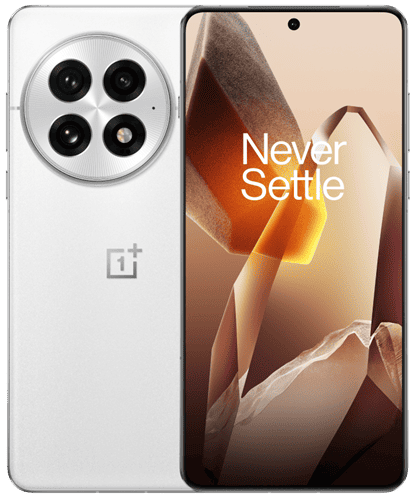
OnePlus 13 Price, Specs, Features and Best Deals

The OnePlus 13 is the latest flagship from the Oppo sub-brand, boasting top-tier hardware, exceptional cameras, and a sleek design. It is powered by the Snapdragon 8 Elite chip, ensuring smooth and fast operation. The device features a large 6.82-inch AMOLED display for vibrant visuals and a 50MP triple camera setup for excellent photography. A 6000 mAh battery and 100W wired charging provide long-lasting use and quick recharging, making the OnePlus 13 a standout in both performance and design.

OnePlus 13 Key Specs and Features

  • 6.82 inches LTPO 4.1 AMOLED Display 1440 x 3168 pixels (~510 ppi density), 120Hz Refresh Rate
  • Android 15, up to 4 major Android upgrades, OxygenOS 15 (International), ColorOS 15 (China)
  • Qualcomm SM8750-AB Snapdragon 8 Elite (3 nm) Octa Core Processor (2×4.32 GHz Oryon V2 Phoenix L + 6×3.53 GHz Oryon V2
    Phoenix M)
  • 12GB, 16GB, 24GB LPDDR5X RAM
  • 50 MP (wide) + 50 MP (periscope telephoto) + 50 MP (ultrawide) Triple Rear Camera
  • 32 MP Front Camera
  • Fingerprint Sensor (under display, ultrasonic)
  • 256GB, 512GB, 1TB Built-in Storage
  • 4G LTE Support
  • 5G Support
  • Wi-Fi 6 and Wi-Fi 7 Support
  • Dual-Band Wi-Fi or Tri-Band Wi-Fi
  • 100W Fast Charging Capacity
  • 50W Fast Charging Capacity
  • 6000 mAh Si/C Li-ion Battery

Design

The OnePlus 13 boasts a refined and attractive design, drawing inspiration from its predecessors, the OnePlus 11 and the Oneplus 12, with subtle but noticeable updates.

It now has a flat and thin profile, with quad-curved edges that wrap around the display, offering a more premium and smooth look. The metal frame is flatter than before, now featuring a matte finish rather than the shinier metallic design of the OnePlus 12. This change gives the Android phone a more understated, modern feel while maintaining its premium appeal.

Around the back, OnePlus has made slight adjustments, reducing the metal elements around the camera block. The new glossy strip that runs across the back adds a touch of elegance, while the Hasselblad “H” branding has been relocated for better symmetry.

Despite these updates, the overall design remains quite similar to last year’s model, with no drastic shifts in style. The alert slider remains a signature feature, comfortably positioned on the right side of the device.

OnePlus 13 WhiteOnePlus 13 White

The OnePlus 13 is a large phone, measuring 6.41 x 3.01 x 0.33 inches and weighing 210 grams, which can make one-handed use a bit challenging, especially with gesture-based navigation. However, considering the size, the phone is relatively lightweight, especially given the 6,000 mAh battery it houses, which contributes to its solid, robust feel.

– Advertisement –Protect and Monitor your KidsProtect and Monitor your Kids

It has a glass screen display protected by Ceramic Guard material, offering extra durability against cracks and scratches. The bezels are now slimmer, with the bottom bezel being notably smaller, which enhances the overall screen-to-body ratio. The OnePlus 13 also includes an ultrasonic fingerprint recognition sensor, offering fast and secure unlocking. This technology works well in everyday use, responding quickly to touch and ensuring a smooth experience

Meanwhile, the rear houses a large circular camera island with the triple-camera setup, which is now more compact and sits slightly higher, rising directly from the rear glass rather than the previous metal frame design. The phone is IP68- and IP69-rated, making it resistant to water and dust, ensuring durability even in challenging environments.

The OnePlus 13 is available in three colors: Arctic Dawn, Midnight Ocean, which features a vegan leather back, and Black Eclipse. Each color option complements the phone’s premium design, offering a range of aesthetics for different preferences.

Display

The OnePlus 13 is a high-end smartphone that brings several key improvements to the display and overall usability compared to its predecessor, the OnePlus 12.

– Advertisement –Best WordPress Hosting 2024Best WordPress Hosting 2024

One of its standout features is its large 6.82-inch LTPO OLED screen, which offers a sharp resolution of 1440 x 3168 pixels. This display is designed to provide crisp and clear visuals, with a pixel density of about 510 pixels per inch (ppi), making the screen very detailed.

In terms of refresh rate, the OnePlus 13 uses an adaptive system that allows the display’s refresh rate to dynamically adjust between 1Hz and 120Hz based on the content you’re viewing, optimizing both power consumption and visual smoothness.

For example, when you’re reading static content like an article, the refresh rate can drop to 1Hz to save battery. However, if you’re scrolling or watching something with motion, the refresh rate can ramp up to 120Hz, ensuring smoothness.

Additionally, with the latest version of LPTO 4.1, the screen can adjust its refresh rate in two separate areas of the display. This allows the phone to save even more power, especially when only part of the screen is changing (such as when you’re viewing a static image with a small section moving, like when you’re scrolling through a webpage).

Brightness is another important aspect of the OnePlus 13’s screen. The phone is equipped with a peak brightness of 4500 nits, making it incredibly bright even under direct sunlight.

This allows for great outdoor visibility, especially in bright environments, and it comes with a feature called Radiant View. The Radiant View enhances the screen’s brightness and contrast in specific areas to improve sunlight legibility. For instance, if the sunlight is causing one part of the screen to be hard to see, the phone can adjust that area to make it clearer while leaving other parts unaffected.

The display also supports a wide range of color and visual enhancements. It has a 1B color depth, meaning it can display billions of colors, leading to more accurate and vibrant images. The phone also supports HDR10+, Dolby Vision, and HDR Vivid, providing better color accuracy and contrast in supported media like videos and games.

Another neat feature is the 2160Hz PWM (Pulse Width Modulation) dimming. PWM dimming helps reduce flicker on the screen, which can often cause eye strain during long usage sessions. This is especially helpful when using the phone for extended periods, as it reduces discomfort caused by screen flicker.

Finally, a new addition called “Glove Mode” is designed to make the touchscreen more responsive when you’re wearing gloves or when your fingers are oily. The OnePlus 13 improves on this by making the screen responsive not only when it’s wet (like the OnePlus 12’s Aqua Touch feature) but also when your fingers or the display are oily. This is useful for people who use their phones in cold weather or environments where they may be wearing gloves, allowing them to interact with the phone without needing to take the gloves off.

Camera

The OnePlus 13 offers an impressive camera setup, particularly with its three 50-megapixel rear cameras and a 32-megapixel front camera, making it a strong contender in the smartphone photography category. The rear cameras are well-suited for a variety of scenarios, ranging from wide-angle shots to telephoto zoom, and they come with Hasselblad’s fifth-gen tuning, which brings out more accurate colors and better overall quality.

The main camera is a 50MP Sony LYT-808 sensor with a large 1/1.4-inch size, which is quite powerful for a smartphone camera. This large sensor allows for more light capture, leading to better detail in low-light conditions. It also features optical image stabilization (OIS) to keep your shots steady, reducing blur in photos. With a wide f/1.6 aperture and a 23mm focal length, this camera excels in capturing rich, vibrant images in various lighting situations, from daytime to low light.

Next, there’s the 50MP ultrawide camera, which offers a wider field of view compared to the OnePlus 12’s ultrawide camera. It now provides a 120° field of view, thanks to the bump from 48MP to 50MP. This upgrade allows you to fit more into the frame, which is particularly useful for landscape shots or capturing tight indoor spaces. It features an f/2.0 aperture, making it versatile in different lighting conditions, though ultrawide lenses often face challenges like distortion at the edges of the frame.

The third camera is the 50MP telephoto lens, which offers 3x optical zoom. OnePlus reduced the megapixel count here from 64MP on the OnePlus 12 to 50MP but increased the size of the sensor, improving light capture and image quality.

This telephoto sensor is great for capturing distant subjects with detail, and while the photos may not always be razor-sharp when zoomed in far, they generally maintain a natural look without too much over-sharpening.

For longer-range zoom, the OnePlus 13 supports up to 100x digital zoom, but this is where the camera struggles a bit. While it’s technically possible to zoom in that much, the quality of the image starts to deteriorate, and autofocus becomes less reliable. The 30x zoom is more practical, though it’s still not perfect.

For front-facing photos, the OnePlus 13 has a 32MP selfie camera that also delivers great results. It has a 90-degree field of view and an f/2.45 aperture. With Hasselblad’s image tuning and the powerful Qualcomm Snapdragon 8 Elite chipset handling image processing, you can expect sharp, detailed selfies that look natural, with good color accuracy. This camera also supports 4K video recording at 30/60fps, so you can capture high-quality video content as well.

On the software side, OnePlus has equipped the OnePlus 13 with several AI-powered features to enhance your photo-taking experience. These include tools like “Enhance Clarity,” “AI Eraser,” “Unblur,” and “Remove Reflections,” which work in the background to improve the quality of your photos. These features are designed to make it easier to clean up images and fix minor imperfections without needing external editing software.

Additionally, the new Dual Exposure Algorithm is a noteworthy innovation. It takes two exposures at once, one short and one long, and merges them to create sharper images with less motion blur. This is especially useful when photographing moving subjects, as it can capture fine details while keeping everything clear and steady.

The burst photography feature has also been improved, making it easier to capture rapid action shots without motion blur, which is great for things like sports or fast-moving objects.

Hardware and Software

The OnePlus 13 is powered by the cutting-edge Snapdragon 8 Elite chipset, the latest high-end processor from Qualcomm. This custom-built chip is designed for premium devices like the Xiaomi 15, the Galaxy S25, and ASUS ROG Phone 9, offering top-tier performance for both everyday tasks and intense gaming or multitasking.

At the heart of the Snapdragon 8 Elite is its octa-core CPU, which includes two Oryon V2 Phoenix L cores clocked at an impressive 4.32 GHz for maximum performance, and six Oryon V2 Phoenix M cores clocked at 3.53 GHz for efficient power management during lighter tasks. This setup ensures that the OnePlus 13 can handle everything from heavy-duty apps to high-performance games without any lag or stutter.

Built on TSMC’s second-generation 3nm process, this chipset delivers major performance boosts compared to its predecessor. The GPU is 30% faster, which translates to smoother graphics and faster rendering in games, while the NPU (Neural Processing Unit) is 40% faster, enabling enhanced AI-driven features like smarter power management, improved facial recognition, and more advanced camera processing.

The Adreno 830 GPU powers the graphics performance, delivering fluid visuals and smooth performance in demanding applications and games. If you’re into mobile gaming, the Adreno 830 ensures that even graphics-heavy titles will run seamlessly, with no dropped frames or lag.

On the memory front, the OnePlus 13 is a powerhouse. It comes in variants with 12GB to 24GB of RAM and up to 1TB of internal storage. Depending on the configuration, you’ll get either 12GB of RAM with 256GB of storage or 16GB of RAM with 512GB of storage (our review unit). The RAM is LPDDR5X, and the storage is UFS 4.0, which is the fastest storage type available for smartphones.

This combination of high-speed RAM and storage ensures seamless multitasking, quick app launches, and fast file transfers. Whether you’re juggling multiple apps or working with memory-intensive programs, the OnePlus 13 offers smooth and rapid transitions. However, there’s no expandable storage, so you’re limited to the internal storage options, which are quite generous in their own right.

The OnePlus 13 also features Android 15 with OxygenOS 15, which provides a clean, smooth, and highly responsive user experience. OxygenOS is known for its minimalistic design and customization options, and with this version, you’ll experience even faster response times and more intuitive interactions.

Just like Samsung’s One UI 7, OxygenOS 15 is designed to be easy to navigate, offering a smooth and snappy interface. Plus, OnePlus promises up to 4 major Android updates, ensuring that the OnePlus 13 will stay relevant with new features and security patches for several years.

In terms of AI capabilities, the OnePlus 13 is equipped with Google’s Circle to Search feature, which allows users to search for information by simply circling a part of the screen. The device also comes with the Gemini AI assistant, which is designed to enhance your experience by helping with everything from organizing tasks to providing smart suggestions.

The OnePlus 13 also features an AI toolbox with useful utilities like AI Summary, which condenses long texts into a list of key points, AI Speak, which reads texts aloud, and AI Writer, which can generate text for you based on prompts. These features are available through the Smart Sidebar, offering quick access when applicable.

There’s also an AI Studio app, along with other features like AI Eraser and AI Unblur, which help improve the quality of your photos by removing unwanted elements and fixing blurriness. These AI tools further enhance the overall user experience, making tasks easier and more efficient.

The OnePlus 13 is equipped with a 6000 mAh battery, an upgrade from last year’s 5400 mAh, providing longer battery life. It supports 100W wired charging, allowing it to go from 0 to 100% in just 36 minutes, making it incredibly fast for a quick power boost.

Additionally, the OnePlus phone supports 50W wireless charging with proprietary accessories like the AirVOOC Magnetic Charger (sold separately), offering a convenient wireless charging option. It also features reverse charging, providing 5W over cable and 10W wirelessly, so you can share power with other devices, such as wireless earbuds or another phone. This combination of fast and versatile charging makes the OnePlus 13 highly convenient for heavy users.

OnePlus 13 Price and Availability

OnePlus 13 price starts at around 949.00 EUR and 849.00 GBP for the model with 256GB ROM and 12GB RAM and 1,079.00 EUR and 935.44 GBP for the model with 512GB ROM and 16GB RAM at Amazon stores in Germany and the United Kingdom. The model with 256GB ROM and 12GB RAM starts at 69,998 INR at Amazon India. OnePlus 13 price in Nigeria starts at around ₦1,200,000 for the model with 12GB RAM and 512GB ROM.

2025 New OnePlus 13 Global Version AI Smartphone Snapdragon 8 Elite 6000mAh Battery 50W AIRVOOC Wireless Charge NFC2025 New OnePlus 13 Global Version AI Smartphone Snapdragon 8 Elite 6000mAh Battery 50W AIRVOOC Wireless Charge NFC

2025 New OnePlus 13 Global Version AI Smartphone Snapdragon 8 Elite 6000mAh Battery 50W AIRVOOC Wireless Charge NFC

OnePlus 13 Specs

  • Platform: Android 15, up to 4 major Android upgrades, OxygenOS 15 (International), ColorOS 15 (China)
  • Processor: Qualcomm SM8750-AB Snapdragon 8 Elite (3 nm) Octa Core Processor
  • GPU: Adreno 830
  • Memory: 12GB, 16GB, 24GB LPDDR5X RAM
  • Colors: Black Eclipse, Arctic Dawn, Midnight Ocean
  • Dimension: 162.9 x 76.5 x 8.5 mm or 8.9 mm
  • Weight: 210 g or 213 g
  • SIM Type: Nano SIM, eSIM
  • SIM Count: Nano-SIM

Display

  • Display: 6.82 inches LTPO 4.1 AMOLED Display 1440 x 3168 pixels (~510 ppi density), ~90.7% screen-to-body ratio, 120Hz Refresh Rate, Dolby Vision, HDR10+, HDR Vivid, 800 nits (typ), 1600 nits (HBM), 4500 nits (peak) Brightness, Always-on Display
  • Screen Protection: Ceramic Guard Glass
  • Foldable Display: No

Camera

  • Rear Camera: 50 MP (wide), f/1.6, multi-directional PDAF, OIS + 50 MP (periscope telephoto), f/2.6, 3x optical zoom, PDAF, OIS + 50 MP (ultrawide), f/2.0, 15mm, 120˚ FoV, PDAF Triple Camera
  • Rear Camera Features: Laser Focus, Hasselblad Color Calibration, Color spectrum Sensor, Dual-LED Flash, HDR, Panorama, 8K@30fps, 4K@30/60fps, 1080p@30/60/240/480fps, Auto HDR, gyro-EIS, Dolby Vision
  • Front Camera: 32 MP (wide) f/2.4 Camera, HDR, Panorama, 4K@30/60fps, 1080p@30/60fps, gyro-EIS

Storage

  • Built-in Storage: 256GB, 512GB, 1TB UFS 4.0
  • Memory Card Support: No
  • Bundled Cloud Storage:

Network Support

  • 2G GSM: GSM 850 / 900 / 1800 / 1900
  • 2G CDMA 1X:
  • 3G WCDMA: HSDPA 800 / 850 / 900 / 1700(AWS) / 1900 / 2100 – International
  • 3G CDMA EVDO:
  • 4G LTE: Yes, LTE Bands 1, 2, 3, 4, 5, 7, 8, 12, 13, 17, 18, 19, 20, 25, 26, 28, 30, 32, 38, 39, 40, 41, 48, 66, 71 – Global Model
  • 5G: Yes, 5G Bands 1, 2, 3, 5, 7, 8, 12, 20, 25, 28, 30, 38, 40, 41, 48, 66, 71, 75, 77, 78 SA/NSA/Sub6 – Global Model

Internet and Connectivity

  • GPRS: Yes
  • EDGE: Yes
  • 3G/WCDMA/HSPA: Yes
  • HSPA+: Yes
  • CDMA EVDO:
  • 4G LTE: Yes
  • 5G: Yes
  • WLAN: Yes, Wi-Fi 802.11 a/b/g/n/ac/6/7, Wi-Fi 6, Wi-Fi 7, Dual-band Wi-Fi or Tri-Band Wi-Fi
  • Wi-Fi Hotspot: Yes
  • Bluetooth: Yes, Bluetooth 5.4, A2DP, LE, aptX HD, LHDC 5
  • NFC: Yes, eSE, HCE
  • Infrared Blaster: Yes
  • USB Port: Yes, USB Type-C 3.2, OTG

Messaging

  • SMS/MMS: Yes
  • Instant Messaging: Yes
  • Push Emails: Yes
  • Email Protocol:

Entertainment

  • Music Player: Yes
  • Video Player: Yes
  • FM Radio:
  • Loudspeaker: Yes, with stereo speakers
  • 3.5mm Jack: No

Navigation

  • Navigation: Yes, GPS (L1+L5), GLONASS (G1), BDS (B1I+B1c+B2a), GALILEO (E1+E5a), QZSS (L1+L5), NavIC
  • Maps: Yes

Sensors and Control

  • Digital Compass: Yes
  • Accelerometer: Yes
  • Proximity Sensor: Yes
  • Light Sensor: Yes
  • Barometer: Yes
  • SpO2:
  • Pedometer:
  • Heart Rate Monitor:
  • Gyroscope: Yes
  • Fingerprint Scanner: Yes, (under display, ultrasonic)
  • Iris Scanner:
  • Face Unlock:
  • Stylus Pen:
  • Intelligent Digital Assistant: Yes
  • Motion Sensing / Gesture Control:
  • Voice Control: Yes

Other Features

  • Video Streaming: Yes
  • Active Noise Cancellation: Yes
  • Wireless Charging: Yes, 50W Wireless Charging
  • Built-in Mobile Payment:
  • Water Resistant: Yes, IP68/IP69, survives for up to 30 minutes in up to 1.5 meters of fresh water
  • Dust Resistant: Yes, IP68/IP69
  • Image Editor: Yes
  • Video Editor: Yes
  • Document Viewer:
  • Document Editor:

Battery

  • Battery: 6000 MAh Si/C Li-ion Battery
  • Talktime:
  • Standby Time:
  • Fast Charging: 100W Fast Charging Capacity, 50W Fast Wireless Charging Capacity
Open post

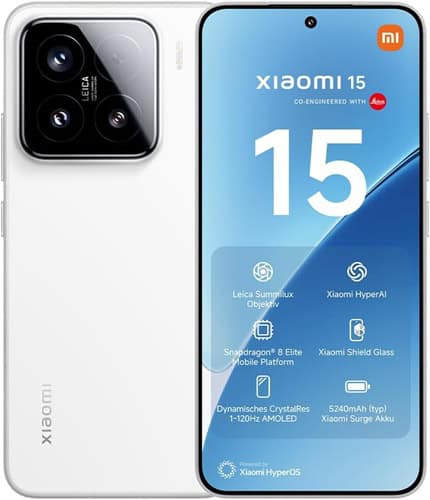
Xiaomi 15 Price, Specs, Features and Best Deals

Xiaomi has just announced a new series of smartphones, which includes the standard Xiaomi 15 and more premium Xiaomi 15 Pro. The Xiaomi 15 suceeding the Xiaomi 14 features improved features with a sleek, smooth, compact design, a 6.3-inch OLED display, 50 MP triple rear camera with 8K video capability. It is powered by the Snapdragon 8 Elite chipset with a large 5400 mAh battery.

Xiaomi 15 Key Specs and Features

  • 6.36 inches LTPO OLED Display, 1200 x 2670 pixels (~460 ppi density), ~90.0% screen-to-body ratio
  • Android 15, HyperOS 2
  • Qualcomm SM8750-AB Snapdragon 8 Elite (3 nm) Octa Core Processor
  • 12GB, 16GB RAM
  • 50 MP (wide) + 50 MP (telephoto) + 50 MP (ultrawide) Triple Rear Camera
  • 32 MP Front Camera
  • Fingerprint Sensor (under display, ultrasonic)
  • 256GB, 512GB, 1TB Built-in Storage
  • 4G LTE Support
  • 5G Support
  • 90W Fast Charging Capacity
  • 5400 mAh Si/C Li-Ion Battery

Design

The Xiaomi 15’s design is a sleek and refined iteration of its predecessor, the Xiaomi 14, taking cues from premium smartphones like the iPhone 16, but with distinctive features that make it stand out.

The phone’s design is noticeably slimmer, thinner, and lighter than the Xiaomi 14, giving it a more comfortable and ergonomic feel. It measures 152.3 x 71.2 x 8.1 mm and weighs 189 grams, making it easy to hold and use for extended periods without fatigue.

The front of the device is dominated by a 6.36-inch display that stretches to an impressive 90.0% screen-to-body ratio. This near-bezel-less display creates an immersive experience for watching videos, playing games, or simply scrolling through apps.

The screen is vibrant and offers excellent color reproduction, while the minimal bezels around the display enhance the overall aesthetic, making the Android phone look modern and sleek.

At the top center of the screen, you’ll find a punch-hole for the front-facing camera, which is discreet but still easily accessible for selfie enthusiasts.

The back of the Xiaomi 15 is where the most notable design changes occur. Xiaomi has opted for a matte, anti-reflective back that not only reduces fingerprints but also gives the 5G phone a premium, subtle sheen.

– Advertisement –Protect and Monitor your KidsProtect and Monitor your Kids

The back is covered in Dragon Crystal Glass, a material that Xiaomi claims is ten times more robust than the Gorilla Glass Victus used on the Xiaomi 14. This change enhances the durability of the phone while also providing a smooth, clean finish.

Xiaomi 15Xiaomi 15

In addition, the Xiaomi 15 has a square camera bump on the back. It stands out as a distinct feature, made of shiny black material that contrasts with the rest of the matte back.

The camera module’s design is eye-catching, yet it maintains a refined, minimalist look. However, the camera bump protrudes slightly from the body, which can make the Xiaomi phone rock when placed on flat surfaces, though it’s a common design choice for smartphones with large camera setups.

– Advertisement –Best WordPress Hosting 2024Best WordPress Hosting 2024

Xiaomi has shifted the placement of the LED flash to the right of the camera lenses, setting it apart from the module’s main structure and giving the design a more balanced, structured appearance.

The Xiaomi 15 also includes an ultrasonic fingerprint recognition sensor, offering fast and secure unlocking. This technology works well in everyday use, responding quickly to touch and ensuring a smooth experience.

Display

The display is nothing short of impressive, with a 6.36-inch LTPO OLED panel that offers vibrant colors and superb clarity. The screen boasts a 120Hz refresh rate, ensuring smooth navigation through apps, websites, and games, as well as an ultra-responsive touch experience.

The display supports 1 billion colors, making the visuals exceptionally rich, with sharp contrasts and vivid color reproduction. Additionally, the integration of Dolby Vision and HDR10+ support allows for an enhanced viewing experience with high dynamic range content, offering deeper blacks and brighter whites for a more immersive picture.

With a peak brightness of 3200 nits, the display performs excellently even in direct sunlight, maintaining visibility in even the brightest environments. The resolution of 1200 x 2670 pixels at a 20:9 aspect ratio results in a pixel density of around 460 ppi, providing crisp and detailed visuals that make everything from reading text to watching movies incredibly sharp.

The screen-to-body ratio of 90.0% means the bezels are minimal, providing a more expansive viewing area that further adds to the immersive nature of the display.

The use of LTPO (Low-Temperature Polycrystalline Oxide) technology in the OLED panel also allows for dynamic adjustment of the refresh rate, which helps save battery life by reducing the refresh rate when high-speed scrolling or animations aren’t needed.

This adaptive refresh rate is not only power-efficient but also contributes to a smoother user experience, making every interaction feel fluid.

Whether you’re watching HDR content, playing fast-paced games, or simply browsing through your apps, the Xiaomi 15’s display stands out for its color accuracy, smoothness, and overall visual excellence, setting a high bar for smartphone screens.

Camera

The Xiaomi 15’s camera system is built to impress, offering a triple-camera setup with three 50MP sensors, each designed to handle different types of photography. The primary camera features a 50MP sensor with an f/1.6 aperture, a 23mm focal length, and a 1/1.31” sensor size, which excels in low-light conditions. It utilizes dual-pixel PDAF for fast and accurate focusing, and Optical Image Stabilization (OIS) to minimize blur, ensuring steady shots even in challenging environments.

The second camera, also a 50MP sensor, is optimized for telephoto photography. It boasts a 60mm focal length and f/2.0 aperture, with 3x optical zoom, which provides high-quality, detailed shots of distant subjects. It also features PDAF for precise focus at distances ranging from 10cm to infinity, and OIS to reduce motion blur when capturing zoomed-in shots.

The third sensor is a 50MP ultrawide camera with a 14mm focal length and a 115˚ field of view, allowing you to capture wide landscapes or large group photos. This camera also utilizes 4-in-1 pixel binning technology, which helps deliver high-quality images with minimal distortion, even at wider angles.

One of the standout features of the Xiaomi 15 camera system is the Leica lenses combined with a color spectrum sensor and laser autofocus, improving color accuracy, image sharpness, and low-light performance. The dual-LED dual-tone flash ensures balanced lighting in portrait shots and under low light, providing more natural and even exposure.

In terms of image processing, the Xiaomi 15 continues the use of the Light Hunter 900 sensor, which shoots 12.5MP photos using 4-in-1 pixel binning. The main camera produces sharp, vibrant images with natural color balance and high contrast, especially in good lighting. The ultrawide camera, while still excellent, struggles with edge blurring and lacks the detail of the main sensor.

The telephoto lens has seen a slight reduction in zoom capability compared to the Xiaomi 14, now offering a 2.6x optical zoom and a 60mm focal length, down from the previous 3.2x optical zoom with a 75mm focal length. Despite the decrease in zoom range, the quality remains solid, and the telephoto camera performs well at up to 5x magnification, delivering detailed close-up shots.

For video, the Xiaomi 15 is equally impressive. It can record in 8K at 24/30fps, offering incredibly detailed and cinematic footage. The phone also supports 4K recording at 24/30/60fps with HDR10+, Dolby Vision HDR, and 10-bit LOG, making it suitable for professional-grade video production. It can also shoot 1080p at various frame rates, including 30, 60, 120, 240, and even 960fps for slow-motion effects. For ultra-high frame-rate shots, the device supports 720p at 1920fps. The built-in Gyro-EIS ensures stability, allowing for smooth video recording.

On the front, the 32MP selfie camera offers detailed and vibrant shots, with an f/2.0 aperture and 22mm focal length. The front camera supports HDR and panorama modes, ensuring great selfies in different lighting conditions. It can also record 4K video at 30/60fps and 1080p at 30/60fps, with gyro-EIS for steady video capture.

Hardware and Software

The Xiaomi 15 stands out in terms of performance, thanks to its powerhouse hardware, which closely resembles the Samsung Galaxy S25.

At its core, the Snapdragon 8 Elite chipset—custom-built for premium devices—drives both smartphones. With an octa-core CPU, including two high-performance Oryon V2 Phoenix L cores clocked at 4.32 GHz and six Oryon V2 Phoenix M cores clocked at 3.53 GHz, the Xiaomi 15 effortlessly handles multitasking, heavy apps, and intensive gaming without breaking a sweat.

This chipset is built on TSMC’s second-generation 3nm process, this chipset provides a 30% faster GPU and 40% faster NPU compared to its predecessor, ensuring that the Galaxy S25 handles both demanding tasks and casual use with ease.

The Qualcomm Hexagon NPU boosts the AI capabilities of the phone, allowing for advanced features like better camera processing, smarter facial recognition, and improved power management.

The Adreno 830 GPU provides a noticeable performance boost, making graphics-intensive games run smoothly and ensuring fluid visuals for every app.

The Xiaomi 15 also benefits from 12GB to 16GB of RAM and UFS 4.0 storage, depending on the variant, ensuring that there’s more than enough power for seamless multitasking and rapid app launch times.

Whether you’re switching between apps or using memory-heavy applications, the ample RAM ensures smooth transitions with minimal lag. However, like the Galaxy S25, there’s no option for expandable storage, so users must rely on the internal storage options available. With UFS 4.0, data transfer speeds are lightning-fast, reducing wait times for file transfers or launching apps.

On the software side, the Xiaomi 15 runs Android 15 with HyperOS 2, offering an optimized and responsive experience, much like Samsung’s One UI 7. The combination of this smooth interface and the powerful hardware makes for a snappy, responsive user experience across the board.

In terms of AI capabilities, the Xiaomi 15 leverages the Snapdragon 8 Elite’s integrated Hexagon NPU, enhancing tasks like facial recognition, intelligent camera processing, and efficient power management. These features allow the Xiaomi 15 to learn and adapt to its user’s behavior over time, ensuring that apps run efficiently and the device remains responsive.

The Xiaomi 15’s performance is further solidified by its ability to run complex processes and handle everyday tasks with ease. From gaming at high frame rates to executing productivity-heavy tasks, this gaming phone ensures you experience minimal slowdowns. Its performance is comparable to the Samsung Galaxy S25, making it a worthy choice for power users seeking top-tier processing speeds and smooth, uninterrupted usage.

In terms of battery life, the Xiaomi 15 impresses with its 5400 mAh or 5240 mAh battery. This battery offers support for 90W wired charging adhering to PD3.0 and QC3+ standards, the device claims an astounding 100% charge in just 18 minutes, setting a new benchmark for wired charging speeds.

On the wireless front, the Xiaomi 15 boasts 50W wireless charging, promising a full 100% charge in a mere 40 minutes, providing a rapid and convenient alternative. Completing its charging repertoire, the device supports 10W reverse wireless charging, allowing users to share their device’s battery power with other compatible devices.

Above all, the Xiaomi 15 offers support for 5G network connection, Wi-Fi 7, Bluetooth 5.4, GPS, and a USB Type-C 3.2 port for charging and data transfer.

Xiaomi 15 Price and Availability

Xiaomi 15 price starts at around $999 at leading retailers. You can buy the model with 12GB RAM and 512GB ROM for around 1,099.90 EUR, and 986.90 GBP at Amazon stores in Germany and the United Kingdom respectively.

Xiaomi 15 Global Version Smartphone 256GB/512GB 6.36Xiaomi 15 Global Version Smartphone 256GB/512GB 6.36

Xiaomi 15 Global Version Smartphone 256GB/512GB 6.36″ AMOLED Display 120Hz Snapdragon® 8 Elite Leica Camera 90W 5240mAh 5G NFC

Xiaomi 15 Specs

Here are a few specs of the Xiaomi 15:

General Features

  • Platform: Android 15, HyperOS 2, up to 4 major Android upgrades
  • Processor: Qualcomm SM8750-AB Snapdragon 8 Elite (3 nm) Octa Core Processor (4.32 GHz dual-core Oryon V2 Phoenix L and 3.53 GHz Hexa-core Oryon V2 Phoenix M)
  • GPU: Adreno 830
  • Memory: 12GB, 16GB RAM
  • Colors: Black, White, Silver, Green, Lilac
  • Dimension: 152.3 x 71.2 x 8.1 / 8.4 / 8.5 mm
  • Weight: 189 / 191 / 192 g
  • SIM Type: Nano SIM, eSIM
  • SIM Count: Dual-SIM

Display

  • Display: 6.36 inches LTPO OLED Display, 1200 x 2670 pixels (~460 ppi density), ~90.0% screen-to-body ratio, 120Hz Refresh Rate, Dolby Vision, HDR10+, 3200 nits (peak) Brightness
  • Screen Protection: Yes, Shatterproof Glass (Xiaomi Shield Glass)
  • Foldable Display: No

Camera

  • Rear Camera: 50 MP (wide), f/1.6, dual pixel PDAF, OIS + 50 MP (telephoto), f/2.0, PDAF (10cm – ∞), OIS, 2.6x optical zoom + 50 MP (ultrawide), f/2.2, 115˚ FoV Triple Camera
  • Rear Camera Features: Laser AF, Color Spectrum Sensor, Leica Lens, Dual-LED Dual-tone Flash, HDR, Panorama, 8K@24/30fps (HDR), 4K@24/30/60fps (HDR10+, 10-bit Dolby Vision HDR, 10-bit LOG), 1080p@30/60/120/240/960fps, 720p@1920fps, gyro-EIS
  • Front Camera: 32 MP (wide) f/2.2 Camera, HDR, Panorama, 4K@30/60fps, 1080p@30/60fps, HDR10+, gyro-EIS

Storage

  • Built-in Storage: 256GB, 512GB, 1TB
  • Memory Card Support: No
  • Bundled Cloud Storage:

Network Support

  • 2G GSM: GSM 850 / 900 / 1800 / 1900
  • 2G CDMA 1X:
  • 3G WCDMA: HSDPA 800 / 850 / 900 / 1700(AWS) / 1900 / 2100
  • 3G CDMA EVDO:
  • 4G LTE: Yes, LTE Bands 1, 2, 3, 4, 5, 7, 8, 12, 13, 17, 18, 19, 20, 25, 26, 28, 32, 38, 39, 40, 41, 42, 48, 66 – International Models; LTE Models 1, 2, 3, 4, 5, 7, 8, 12, 17, 18, 19, 20, 26, 28, 34, 38, 39, 40, 41, 42, 48, 66 – China
  • 5G: Yes, 5G Bands 1, 2, 3, 5, 7, 8, 12, 20, 25, 26, 28, 38, 40, 41, 48, 66, 75, 77, 78 SA/NSA – International; 5G Bands 1, 2, 3, 5, 12, 20, 26, 28, 38, 40, 41, 48, 66, 77, 78, 80, 81, 83, 84, 89 SA/NSA – China

Internet and Connectivity

  • GPRS: Yes
  • EDGE: Yes
  • 3G/WCDMA/HSPA: Yes
  • HSPA+: Yes
  • CDMA EVDO:
  • 4G LTE: Yes
  • 5G: Yes
  • WLAN: Yes, Wi-Fi 802.11 a/b/g/n/ac/6e/7, Wi-Fi 6e, Wi-Fi 7, dual-band or tri-band, Wi-Fi Direct
  • Wi-Fi Hotspot: Yes
  • Bluetooth: Yes, Bluetooth 5.4, A2DP, LE, aptX HD, aptX Adaptive, LHDC 5
  • NFC: Yes
  • Infrared Blaster: Yes
  • USB Port: Yes, USB Type-C 3.2, OTG

Messaging

  • SMS/MMS: Yes
  • Instant Messaging: Yes
  • Push Emails: Yes
  • Email Protocol:

Entertainment

  • Music Player: Yes
  • Video Player: Yes
  • FM Radio:
  • Loudspeaker: Yes, with stereo speakers
  • 3.5mm Jack: No

Navigation

  • Navigation: Yes, GPS (L1+L5), GLONASS (G1), BDS (B1I+B1c+B2a), GALILEO (E1+E5a), QZSS (L1+L5)
  • Maps: Yes

Sensors and Control

  • Digital Compass: Yes
  • Accelerometer: Yes
  • Proximity Sensor: Yes
  • Light Sensor: Yes
  • Barometer: Yes
  • SpO2:
  • Pedometer:
  • Heart Rate Monitor:
  • Gyroscope: Yes
  • Fingerprint Scanner: Yes, (under display, ultrasonic)
  • Iris Scanner:
  • Face Unlock:
  • Stylus Pen:
  • Intelligent Digital Assistant: Yes
  • Motion Sensing / Gesture Control:
  • Voice Control: Yes

Other Features

  • Video Streaming: Yes
  • Active Noise Cancellation: Yes
  • Wireless Charging: Yes, 50W Wireless Charging
  • Built-in Mobile Payment:
  • Water Resistant: Yes, IP68 (survives for up to 30 minutes in up to 2 meters of fresh water)
  • Dust Resistant: Yes, IP68
  • Image Editor: Yes
  • Video Editor: Yes
  • Document Viewer:
  • Document Editor:

Battery

  • Battery: 5400 mAh or 5240 mAh Si/C Li-Ion Battery
  • Talktime:
  • Standby Time:
  • Fast Charging: 90W Fast Charging Capacity, 50W Fast Wireless Charging Capacity
Open post

Xiaomi 14T Pro Price, Specs, Features and Best Deals

The Xiaomi 14T Pro is a trimmed-down, affordable flagship device and a worthy successor to the Xiaomi 13T Pro, launched alongside the standard Xiaomi 14T. It comes equipped with a 50MP triple rear camera with the new generation of Leica-boosted photography, a powerful and efficient  Dimensity 9300+ processor, a 6.67-inch CrystalRes AMOLED display, and a 5,000mAh battery with up to 120W fast wired charging. Xiaomi 14T Pro has the latest version of Android and HyperOS, with UI and fresh AI features.

Xiaomi 14T Pro Key Specs and Features

  • 6.67 inches AMOLED Display, 1220 x 2712 pixels (~446 ppi density), 144Hz Refresh Rate, Dolby Vision
  • Android 14, HyperOS
  • Google Gemini
  • Circle to Search
  • AI Interpreter, AI Notes, AI Recorder
  • Mediatek Dimensity 9300+ (4 nm) Octa Core Processor
  • 12GB, 16GB
  • 50 MP (wide) + 50 MP (telephoto) + 12 MP (ultrawide) Triple Rear Camera
  • 32 MP Front Camera
  • Fingerprint Sensor (under display, optical)
  • 256GB, 512GB, 1TB Built-in Storage
  • Dust and Water Resistance (IP68)
  • 4G LTE Support
  • 5G Support
  • Wi-Fi 7 and Wi-Fi 6e Support
  • 120W Fast Charging Capacity
  • 50W Fast Wireless Charging Capacity
  • 5000 mAh Li-Po Battery

Design

The Xiaomi 14T Pro is a larger and bulkier phone compared to the Xiaomi 14, offering a slightly less premium feel. The device features a flat front and frame, complemented by a curved rear panel. It sports a sturdy aluminum alloy frame and a frosted glass back with a metallic look.

Weighing in at 209 grams, the Xiaomi 14T Pro feels solid in the hand and has a dimension of 160.4 x 75.1 x 8.4 mm.

On the front, there is a 6.67-inch AMOLED display measuring 89.1% screen-to-body ratio with a punch hole at the top holding the front-facing camera.

The camera bump, positioned in the top left corner on the back, is square and houses three symmetrical camera rings and an LED flash. The sides of the Android phone are relatively flat, with the back glass gently curved to create a comfortable grip. Xiaomi also claims that the aluminum alloy frame is 116% stronger than the one found on the Xiaomi 13T Pro, enhancing its durability.

A standout design feature is the textured power button, which provides a tactile differentiation from the smooth, elongated volume rocker. While the phone’s thick edges don’t accommodate a 3.5mm headphone jack or a microSD card slot, this is a trade-off that’s expected in many modern smartphones.

Display

Xiaomi 14T ProXiaomi 14T Pro

– Advertisement –Protect and Monitor your KidsProtect and Monitor your Kids

The Xiaomi 14T Pro boasts a display that truly impresses, combining cutting-edge technology with vibrant, stunning visuals. The 6.67-inch AMOLED screen is a treat for the eyes, with a sharp 1220 x 2712-pixel resolution that ensures every detail pops.

Whether you’re watching videos, gaming, or just browsing, the 144Hz dynamic refresh rate offers smooth, fluid motion that’s hard to match, with the ability to adjust to the content on-screen for optimal performance.

What really stands out is the combination of Dolby Vision and HDR10+ support, making colors look more vivid and lifelike, while deep blacks and bright highlights bring out the details in even the darkest scenes. Plus, the screen’s ability to display 12-bit color depth adds layers of richness to your content, making everything from photos to videos look more vibrant than ever.

Even if you’re viewing the screen from an angle, you’ll be amazed at how consistent the colors remain—there’s practically no distortion and only a slight drop in brightness, ensuring a quality viewing experience no matter where you’re looking from.

– Advertisement –Best WordPress Hosting 2024Best WordPress Hosting 2024

In terms of durability, the Corning Gorilla Glass 5 protection adds peace of mind, while the under-display fingerprint scanner feels faster than ever, thanks to the new animations and vibrations. It’s responsive, and intuitive, and enhances the overall user experience, making it a device that’s not only visually captivating but also practical to use.

With 840Hz PWM dimming to reduce eye strain and the ability to reach a peak brightness of 4000 nits, this display is perfect for everything—whether you’re in bright sunlight or enjoying a dark movie late at night.

Camera

The Xiaomi 14T Pro borrows its main camera directly from the Xiaomi 14T, and that’s a good thing. The main camera features a 1/1.31″ OmniVision sensor, which Xiaomi has rebranded, and is paired with a Summilux optical lens.

This combination helps pull in 32% more light compared to the previous generation, improving low-light performance. While the sensor size is comparable to the Sony imager on the previous model, the lens here is slightly wider and brighter, though the improvements aren’t dramatically different.

The telephoto lens has received an upgrade, moving to a 60mm focal length with an f/2.0 aperture. This is a change from the previous 50mm lens, and the camera uses the Samsung JN1 sensor, which is slightly larger than the OV50D sensor found on the Xiaomi 13T Pro’s zoom camera.

However, there’s no close-focusing capability here, with a minimum focusing distance of about 45cm. The zoom offers 2.6x optical zoom compared to the main camera, which provides better clarity for distant shots, although it lacks the advanced periscope systems found in higher-end devices.

The ultrawide camera remains unchanged from the Xiaomi 13T Pro, which may be disappointing for those looking for an upgrade. It uses a 12MP sensor with an f/2.2 aperture and a 15mm focal length equivalent. Unfortunately, it lacks autofocus, which limits its versatility in some situations.

The camera system overall boasts a range of impressive features like Leica lenses, Ultra HDR, LED flash, HDR, and panorama mode. For video, the Xiaomi 14T Pro can shoot in 8K at 30fps, a specification usually found only on top-tier phones.

It also includes a MasterCinema mode that records in 10-bit Rec. 2020, offering richer colors and greater detail, but it’s limited to 4K at 30fps in this mode.

On the front, the selfie camera is a 32MP shooter with an f/2.0 aperture, offering a wide-angle lens at 25mm. It supports HDR and can record in 4K at 30fps and 1080p at 30/60fps, with HDR10+ support for better dynamic range.

Hardware and Software

The Xiaomi 14T Pro is powered by the MediaTek Dimensity 9300+, a cutting-edge 4nm chipset designed to deliver exceptional performance. The CPU is an octa-core configuration with a combination of high-performance cores. It includes a 3.4 GHz Cortex-X4 prime core, three 2.85 GHz Cortex-X4 cores, and four 2.0 GHz Cortex-A720 cores.

This setup is optimized for heavy-duty tasks such as gaming, multitasking, and running demanding apps, as there are no energy-efficient cores like the A510 typically found in other chips. Instead, all cores are designed to focus on delivering maximum performance, ensuring smooth and speedy operation under various workloads.

The GPU of the Xiaomi 14T Pro has been upgraded to the Immortalis-G720 MC12, a significant improvement over the previous generation’s Immortalis-G715 MC11 found in the Xiaomi 13T Pro.

The new GPU brings better graphics processing power, which translates into smoother gaming performance, better rendering of complex visual effects, and an overall improved graphical experience when using the 5G phone for media consumption, gaming, or productivity tasks.

When it comes to memory and storage, the Xiaomi 14T Pro offers a range of configurations to cater to different user needs. It supports up to 12GB of LPDDR5X RAM, which is the latest and fastest RAM standard available, ensuring smooth multitasking, quick app launches, and seamless performance even when running multiple applications.

In terms of storage, the device offers up to 1TB of UFS 4.0 storage, which is incredibly fast and provides ample space for apps, games, photos, videos, and other media. UFS 4.0 ensures quicker read and write speeds, making data transfer and app loading times significantly faster compared to earlier storage technologies.

The Xiaomi 14T Pro runs on HyperOS, a new operating system based on Android 14, which offers a fresh and intuitive user interface. The gaming phone is set to receive four years of major OS updates and five years of security patches, offering long-term software support.

While this is not as long as the seven years of updates provided by Google or Samsung, it still ensures that the device will be up to date with the latest features, security improvements, and performance enhancements for a considerable period.

One of the standout features of the OS is its range of AI-powered features, which aim to enhance the user experience.

These include AI Subtitle Generation, AI Interpreter, AI Notes, and the Circle to Search functionality. These features leverage artificial intelligence to provide personalized and seamless interactions.

For instance, AI Subtitle Generation can automatically generate subtitles for videos, while AI Interpreter helps translate spoken language in real time.

AI Notes can help with organizing and summarizing information, and Circle to Search enables users to quickly search for content by simply circling it on the screen. While some of these features are still in development, they represent Xiaomi’s push to integrate more intelligent and user-centric capabilities into their devices.

In terms of power, the Xiaomi 14T Pro packs a 5000mAh battery, which is designed to last throughout the day even with heavy use. The device supports 120W wired fast charging, allowing you to charge the phone from 0% to 100% in just 19 minutes.

This is ideal for users who are always on the go and need a quick power boost. In addition, the Xiaomi phone supports 50W wireless charging, which can charge the phone to 100% in about 45 minutes, offering another convenient charging option for users who prefer wireless solutions.

Xiaomi 14T Pro Price and Availability

Xiaomi 14T Pro price starts at around $559 at leading retailers. You can buy the model with 12GB RAM and 256GB ROM for around $628.00 and 616.80 EUR at Amazon stores in the United States and Germany respectively. Xiaomi 14T Pro price in Nigeria starts at around ₦1,050,000 for the model with 256GB ROM.

New Xiaomi 14T Pro 5G Global Version 50MP Leica Camera MediaTek Dimensity 9300+ 6.67'' 144Hz AMOLED 120W HyperCharge Mi 14T ProNew Xiaomi 14T Pro 5G Global Version 50MP Leica Camera MediaTek Dimensity 9300+ 6.67'' 144Hz AMOLED 120W HyperCharge Mi 14T Pro

New Xiaomi 14T Pro 5G Global Version 50MP Leica Camera MediaTek Dimensity 9300+ 6.67” 144Hz AMOLED 120W HyperCharge Mi 14T Pro

Global Version Xiaomi 14T Pro MediaTek Dimensity 9300+ NFC 144Hz AMOLED Display 5000mAh Battery 120W HyperCharge IP68 WaterproofGlobal Version Xiaomi 14T Pro MediaTek Dimensity 9300+ NFC 144Hz AMOLED Display 5000mAh Battery 120W HyperCharge IP68 Waterproof

Global Version Xiaomi 14T Pro MediaTek Dimensity 9300+ NFC 144Hz AMOLED Display 5000mAh Battery 120W HyperCharge IP68 Waterproof

You can buy the Xiaomi 14T Pro in Nigeria at Jumia, Jiji, Parktel, 3CHub, Fine Brothers, Slot, Justfones, Revenes, and Pointek. The smartphone is available at physical stores in Lagos, Abuja, Enugu, Port Harcourt, Kano, Kaduna, Ibadan, and other cities in Nigeria.

Xiaomi 14T Pro Specs

Here are a few specs of the Xiaomi 14T Pro:

General Features

  • Platform: Android 14, HyperOS
  • Processor: Mediatek Dimensity 9300+ (4 nm) Octa Core Processor (13.4 GHz Cortex-X4 and 2.85 GHz tri-core Cortex-X4 and 2.0 GHz quad-core Cortex-A720)
  • GPU: Immortalis-G720 MC12
  • Memory: 12GB, 16GB RAM
  • Colors: Titan Gray, Titan Blue, Titan Black
  • Dimension: 160.4 x 75.1 x 8.4 mm
  • Weight: 209 g
  • SIM Type: Nano SIM, eSIM
  • SIM Count: Dual-SIM

Display

  • Display: 6.67 inches AMOLED Display, 1220 x 2712 pixels (~446 ppi density), ~89.1% screen-to-body ratio, 144Hz Refresh Rate, Dolby Vision, HDR10+, 1600 nits (HBM), 4000 nits (peak) Brightness
  • Screen Protection: Yes, Corning Gorilla Glass 5
  • Foldable Display: No

Camera

  • Rear Camera: 50 MP (wide), f/1.6, PDAF, OIS + 50 MP (telephoto), f/2.0, PDAF, 2.6x optical zoom + 12 MP (ultrawide), f/2.2 Triple Camera
  • Rear Camera Features: Leica Lens, Ultra HDR, LED Flash, HDR, Panorama, 8K@24/30fps, 4K@24/30/60fps, 1080p@30/60/120/240/960fps, gyro-EIS, 10-bit Rec. 2020, HDR10+
  • Front Camera: 32 MP (wide) f/2.2 Camera, HDR, 4K@30fps, 1080p@30/60fps, HDR10+

Storage

  • Built-in Storage: 256GB, 512GB, 1TB
  • Memory Card Support: No
  • Bundled Cloud Storage:

Network Support

  • 2G GSM: GSM 850 / 900 / 1800 / 1900
  • 2G CDMA 1X:
  • 3G WCDMA: HSDPA 800 / 850 / 900 / 1700(AWS) / 1900 / 2100
  • 3G CDMA EVDO:
  • 4G LTE: Yes, LTE Bands 1, 2, 3, 4, 5, 7, 8, 12, 13, 17, 18, 19, 20, 25, 26, 28, 32, 38, 39, 40, 41, 42, 48, 66
  • 5G: Yes, 5G Bands 1, 2, 3, 5, 7, 8, 12, 20, 25, 26, 28, 38, 40, 41, 48, 66, 75, 77, 78 SA/NSA

Internet and Connectivity

  • GPRS: Yes
  • EDGE: Yes
  • 3G/WCDMA/HSPA: Yes
  • HSPA+: Yes
  • CDMA EVDO:
  • 4G LTE: Yes
  • 5G: Yes
  • WLAN: Yes, Wi-Fi 802.11 a/b/g/n/ac/6e/7, Wi-Fi 6e, Wi-Fi 7
  • Wi-Fi Hotspot: Yes
  • Bluetooth: Yes, Bluetooth 5.4, A2DP, LE, LHDC
  • NFC: Yes (market/region dependent)
  • Infrared Blaster: Yes
  • USB Port: Yes, USB Type-C 2.0, OTG

Messaging

  • SMS/MMS: Yes
  • Instant Messaging: Yes
  • Push Emails: Yes
  • Email Protocol:

Entertainment

  • Music Player: Yes
  • Video Player: Yes
  • FM Radio:
  • Loudspeaker: Yes, with stereo speakers
  • 3.5mm Jack:

Navigation

  • Navigation: Yes, GPS (L1+L5), BDS (B1I+B1C+B2a+B2b), GALILEO (E1+E5a+E5b), QZSS (L1+L5), NavIC (L5), GLONASS
  • Maps: Yes

Sensors and Control

  • Digital Compass: Yes
  • Accelerometer: Yes
  • Proximity Sensor: Yes
  • Light Sensor: Yes
  • Barometer:
  • SpO2:
  • Pedometer:
  • Heart Rate Monitor:
  • Gyroscope: Yes
  • Fingerprint Scanner: Yes, (under display, optical)
  • Iris Scanner:
  • Face Unlock:
  • Stylus Pen:
  • Intelligent Digital Assistant: Yes
  • Motion Sensing / Gesture Control:
  • Voice Control: Yes

Other Features

  • Video Streaming: Yes
  • Active Noise Cancellation: Yes
  • Wireless Charging: Yes, 50W Wireless Charging
  • Built-in Mobile Payment:
  • Water Resistant: Yes, IP68 (survives for up to 30 minutes in up to 2 meters of fresh water)
  • Dust Resistant: Yes, IP68
  • Image Editor: Yes
  • Video Editor: Yes
  • Document Viewer:
  • Document Editor:

Battery

  • Battery: 5000 mAh Li-Po Battery
  • Talktime:
  • Standby Time:
  • Fast Charging: 120W Fast Charging Capacity, 50W Fast Wireless Charging Capacity
Open post

Xiaomi 14T Price, Specs, Features and Best Deals

Xiaomi 14T is a flagship smartphone with a low price. It is the successor to the Xiaomi 13T and features a number of improvements. While the Pro model may have more, the standard Xiaomi 14T features an AMOLED panel with a 144 Hz refresh rate, a triple camera with a 50-MP resolution, a powerful eight-core MediaTek Dimensity 8300-Ultra SoC, 16 GB of RAM, and up to 512 GB of storage, 5000 mAh battery with fast charging at up to 67 watts, HyperOS based on Android 14 including AI features.

Xiaomi 14T Key Specs and Features

  • 6.67 inches AMOLED Display, 1220 x 2712 pixels (~446 ppi density), 144Hz Refresh Rate, Dolby Vision
  • Android 14, HyperOS
  • Google Gemini
  • Circle to Search
  • AI Interpreter, AI Notes, AI Recorder
  • Mediatek Dimensity 8300 Ultra (4 nm) Octa Core Processor
  • 12GB, 16GB RAM
  • 50 MP (wide) + 50 MP (telephoto) + 12 MP (ultrawide) Triple Rear Camera
  • 32 MP Front Camera
  • Fingerprint Sensor (under display, optical)
  • 256GB, 512GB Built-in Storage
  • Dust and Water Resistance (IP68)
  • 4G LTE Support
  • 5G Support
  • Wi-Fi 6e Support
  • 67W Fast Charging Capacity
  • 5000 mAh Li-Po Battery

Design

The Xiaomi 14T shares a striking resemblance to the Xiaomi 14T Pro, with the key distinction being the added curvature on the rear panel of the Pro version.

The 14T, on the other hand, boasts a flat front and rear design, giving it a more boxy shape. The rear panel features a frosted matte-effect glass finish, while the frame is crafted from plastic with an aluminum effect. Xiaomi refers to the material used as a “metallic aluminum alloy.”

Additionally, Xiaomi offers a variant of the 14T in Lemon Green, which incorporates vegan leather made from 50% bio-based materials, including lemon fiber, and 100% recycled PET. This eco-friendly option adds a unique, sustainable touch to the device.

The Xiaomi 14T has a slim profile, measuring 160.5 x 75.1 x 7.8 mm, making it slimmer than its predecessor, the Xiaomi 13T. Weighing in at 193 grams, the phone is designed for comfort and portability, ensuring a pleasant user experience.

On the front, there is a 6.67-inch AMOLED display measuring 89.1% screen-to-body ratio with a punch hole at the top holding the front-facing camera.

Meanwhile, on the rear there is square-shaped camera housing designed with four symmetrical rings around each of the three cameras and the accompanying LED flash, thus adding a clean and stylish touch.

– Advertisement –Protect and Monitor your KidsProtect and Monitor your Kids

The device is available in three colors: Titan Gray, Titan Blue, and Titan Black. Notably, the Titan Gray variant features a sophisticated and sleek finish.

The phone’s right side is equipped with a volume rocker and a textured power button, while the bottom houses a USB-C port and a dual-SIM tray. The Xiaomi 14T delivers a hybrid stereo speaker system with Dolby Atmos support, providing an immersive audio experience.

One speaker is located at the bottom of the Xiaomi phone, near the USB-C port, while the other speaker is integrated into the earpiece cutout at the top bezel, forming a stereo pair for enhanced sound quality.

Display

The Xiaomi 14T features screen specifications identical to those of the Xiaomi 14T Pro and the Xiaomi 13T Pro. It boasts a 6.67-inch CrystalRes OLED display, the same screen size and technology as the Xiaomi 13T.

– Advertisement –Best WordPress Hosting 2024Best WordPress Hosting 2024

The display has a resolution of 1220 x 2712 pixels, offering impressive clarity and detail, along with a 12-bit color depth for rich and vibrant visuals. Additionally, the screen supports a 144Hz refresh rate for ultra-smooth scrolling and gaming experiences.

Xiaomi 14TXiaomi 14T

The display is protected by Gorilla Glass 5, ensuring durability and resistance to scratches. It also supports HDR10+ and Dolby Vision standards, making it ideal for streaming high-quality content on major platforms.

The screen’s color accuracy and vibrancy are retained even in direct sunlight, thanks to its impressive peak brightness of up to 4,000 nits. This means the display performs exceptionally well under bright conditions, with HDR content looking particularly stunning.

To cater to different user preferences, the Xiaomi 14T offers two display modes: Automatic and Custom. In the Automatic mode, the screen adjusts its refresh rate between 60Hz and 120Hz, depending on the type of content being displayed. For more demanding applications, such as gaming or benchmarks, the refresh rate can go up to 144Hz.

The Custom mode allows users to manually select between 60Hz and 144Hz, based on their personal needs. The automatic refresh rate switching helps conserve battery life while still providing an optimal experience for high-performance tasks.

For added comfort, the Xiaomi 14T incorporates a fingerprint reader under the display, providing secure biometric authentication for unlocking the 5G phone and creating passkeys. It also supports facial recognition, which is powered by a single front camera.

Moreover, the device offers a Sunlight mode, which enhances the maximum manual brightness for better visibility when using the brightness slider, making it easier to view content outdoors under direct sunlight.

Camera

The camera system on the Xiaomi 14T sets it apart from the Pro model, with notable differences in both the hardware and performance.

The 14T features a triple-camera setup on the rear. These triple cameras have been developed in collaboration with Leica. This means that in addition to numerous photo settings and a range of Leica filters, users can once again make use of the modes Leica Vibrant and Leica Authentic. You can select them via an icon at the top right corner of the camera app and they each work using a slightly different color calibration.

Meanwhile, the Xiaomi 14T camera is led by a 50MP Sony IMX906 main sensor paired with an f/1.7 aperture and a large 1/1.56-inch sensor size for enhanced light capture and improved image quality. Unlike the rebranded OmniVision sensor found in the Xiaomi 14T Pro, the 14T’s main sensor offers superior image clarity and detail.

Additionally, this primary camera leverages the power of 9-in-1 pixel binning, combining nine pixels into one to excel in low-light situations. With an f/1.9 aperture and OIS support, this camera ensures clear and well-focused photos.

In addition to the main camera, the 14T includes a 50MP f/1.9 2x telephoto lens, which allows for a 4x optical zoom and 20x digital zoom. The telephoto camera provides a smooth zoom experience, controlled via an intuitive scroll wheel. The color and contrast consistency between the main and telephoto cameras ensures that the images transition seamlessly from one lens to the next, maintaining natural and vibrant results.

The third camera in the rear setup is a 12MP f/2.2 ultrawide lens with a 15mm focal length. This wide-angle camera captures expansive scenes with minimal distortion, ideal for landscapes and group shots.

For video recording, the Xiaomi 14T offers a broad range of options, including 4K recording at 24/30/60fps, 1080p at various frame rates including 30/60/120/240/960fps, and features like gyro-EIS, HDR10+, and 10-bit Rec. 2020 color depth. These capabilities provide users with cinematic video quality, with smooth, stabilized footage even in challenging shooting conditions.

The 32MP front-facing camera promises to deliver significantly more detail than its predecessor, with a wider f/2.0 aperture and a 25mm focal length.

Although the camera still captures images in full 32MP without binning, which is a decision that may leave some wondering about the lack of pixel binning for enhanced low-light performance, it delivers sharp and clear selfies.

The selfie camera also supports 4K video recording at 30fps and 1080p video at 30/60fps, with HDR10+ support for vibrant and detailed video quality.

Hardware and Software

The Xiaomi 14T is powered by the MediaTek Dimensity 8300-Ultra chipset, which boasts impressive performance with an octa-core CPU configuration and a dual-core GPU.

The CPU features a combination of high-performance cores, including 1x 3.35 GHz Cortex-A715, 3x 3.20 GHz Cortex-A715, and 4x 2.20 GHz Cortex-A510 cores.

This configuration ensures that the 14T delivers smooth multitasking, high-speed processing, and gaming capabilities. The improved Mali-G615-MC6 GPU enhances the graphics performance compared to the Mali-G610-MC5 found in previous models.

The 14T is available in two storage configurations: 256GB with 12GB RAM and 512GB with 12GB or 16GB RAM, ensuring ample storage and memory for demanding apps and multitasking. The device also uses the latest UFS 4.0 technology for faster read and write speeds, offering improved app loading times and better overall performance.

With a 5000mAh battery, the Xiaomi 14T matches the Pro version in terms of battery capacity, ensuring extended usage throughout the day.

It supports fast 67W wired charging, which allows the phone to go from 0% to 100% in under 45 minutes. A 15-minute charge can also get the battery level above 50%, making it convenient for users who need a quick power boost. However, unlike the Pro version, the 14T lacks support for wireless charging, missing out on the 50W wireless charging capabilities of the Pro.

Running on Xiaomi’s custom HyperOS, based on Android 14, the 14T offers a highly customizable interface, allowing users to choose between a stock Android appearance or a more MIUI-like experience.

The Android phone also includes several AI-powered features, though some are still in development. These features include AI Subtitle Generation, AI Interpreter, AI Notes, and the Circle to Search functionality, offering a highly personalized user experience.

Xiaomi has also integrated Google’s Gemini AI, further enhancing the device’s functionality. The company promises four years of major OS updates and five years of security patches, ensuring the 14T remains up to date with the latest features and security improvements.

In terms of connectivity, the Xiaomi 14T offers a range of options, including NFC, Bluetooth 5.4, USB OTG, Miracast, and an always-on display. It also includes an IR blaster that can control compatible devices such as smart TVs. However, its USB-C port operates at USB 2.0 speeds, which might be a limitation for users looking for faster data transfer speeds.

You may also be interested in the Xiaomi Redmi Note 14 5G and the Redmi Note 14 Pro 5G.

Xiaomi 14T Price and Availability

Xiaomi 14T price starts at around $399 at leading retailers. You can buy the model with 8GB RAM and 256GB ROM for around $485.00, 504.99 EUR, and 432.00 GBP at Amazon stores in the United States, Germany, and the United Kingdom respectively. Xiaomi 14T price in Nigeria starts at around ₦700,000 for the model with 512GB ROM.

Global Version Xiaomi 14T 5G 256GB 512GB MTK Dimensity 8300-Ultra 144Hz AMOLED Display 50MP Leica Camera 67W HyperCharge 5000mAhGlobal Version Xiaomi 14T 5G 256GB 512GB MTK Dimensity 8300-Ultra 144Hz AMOLED Display 50MP Leica Camera 67W HyperCharge 5000mAh

Global Version Xiaomi 14T 5G 256GB 512GB MTK Dimensity 8300-Ultra 144Hz AMOLED Display 50MP Leica Camera 67W HyperCharge 5000mAh

You can buy the Xiaomi 14T in Nigeria at Jumia, Jiji, Parktel, 3CHub, Fine Brothers, Slot, Justfones, Revenes, and Pointek. The smartphone is available at physical stores in Lagos, Abuja, Enugu, Port Harcourt, Kano, Kaduna, Ibadan, and other cities in Nigeria.

Xiaomi 14T Specs

Here are a few specs of the Xiaomi 14T:

General Features

  • Platform: Android 14, HyperOS
  • Processor: Mediatek Dimensity 8300 Ultra (4 nm) Octa Core Processor (3.35 GHz Cortex-A715 and 3.20 GHz tri-core Cortex-A715 and 2.20 GHz quad-core Cortex-A510)
  • GPU: Mali G615-MC6
  • Memory: 12GB, 16GB RAM
  • Colors: Titan Gray, Titan Blue, Titan Black, Lemon Green
  • Dimension: 160.5 x 75.1 x 7.8 mm or 8.0 mm
  • Weight: 193 g or 195 g
  • SIM Type: Nano SIM, eSIM
  • SIM Count: Dual-SIM

Display

  • Display: 6.67 inches AMOLED Display, 1220 x 2712 pixels (~446 ppi density), ~89.1% screen-to-body ratio, 144Hz Refresh Rate, Dolby Vision, HDR10+, 1600 nits (HBM), 4000 nits (peak) Brightness
  • Screen Protection: Corning Gorilla Glass 5
  • Foldable Display: No

Camera

  • Rear Camera: 50 MP (wide), f/1.7, PDAF, OIS + 50 MP (telephoto), f/1.9, PDAF, 2x optical zoom + 12 MP (ultrawide), f/2.2, 120˚ FoV Triple Camera
  • Rear Camera Features: Leica Lens, Ultra HDR, LED Flash, HDR, Panorama, 4K@24/30/60fps, 1080p@30/60/120/240/960fps, gyro-EIS, 10-bit Rec. 2020, HDR10+
  • Front Camera: 32 MP (wide) f/2.0 Camera, HDR, 4K@30fps, 1080p@30/60fps, HDR10+

Storage

  • Built-in Storage: 256GB, 512GB
  • Memory Card Support:
  • Bundled Cloud Storage:

Network Support

  • 2G GSM: GSM 850 / 900 / 1800 / 1900
  • 2G CDMA 1X:
  • 3G WCDMA: HSDPA 800 / 850 / 900 / 1700(AWS) / 1900 / 2100
  • 3G CDMA EVDO:
  • 4G LTE: Yes, LTE Bands 1, 2, 3, 4, 5, 7, 8, 12, 13, 17, 18, 19, 20, 26, 28, 32, 38, 40, 41, 42, 48, 66
  • 5G: Yes, 5G Bands 1, 2, 3, 5, 7, 8, 12, 20, 26, 28, 38, 40, 41, 48, 66, 77, 78 SA/NSA

Internet and Connectivity

  • GPRS: Yes
  • EDGE: Yes
  • 3G/WCDMA/HSPA: Yes
  • HSPA+: Yes
  • CDMA EVDO:
  • 4G LTE: Yes
  • 5G: Yes
  • WLAN: Yes, Wi-Fi 802.11 a/b/g/n/ac/6e, Wi-Fi 6e, Dual-Band, Wi-Fi Direct
  • Wi-Fi Hotspot: Yes
  • Bluetooth: Yes, Bluetooth 5.4, A2DP, LE, LHDC
  • NFC: Yes (market/region dependent)
  • Infrared Blaster: Yes
  • USB Port: Yes, USB Type-C 2.0, OTG

Messaging

  • SMS/MMS: Yes
  • Instant Messaging: Yes
  • Push Emails: Yes
  • Email Protocol:

Entertainment

  • Music Player: Yes
  • Video Player: Yes
  • FM Radio:
  • Loudspeaker: Yes, with stereo speakers
  • 3.5mm Jack: No

Navigation

  • Navigation: Yes, GPS (L1+L5), BDS (B1I+B1C+B2a), GALILEO (E1+E5a), NavIC (L5), GLONASS
  • Maps: Yes

Sensors and Control

  • Digital Compass: Yes
  • Accelerometer: Yes
  • Proximity Sensor: Yes
  • Light Sensor: Yes
  • Barometer:
  • SpO2:
  • Pedometer:
  • Heart Rate Monitor:
  • Gyroscope: Yes
  • Fingerprint Scanner: Yes, (under display, optical)
  • Iris Scanner:
  • Face Unlock: Yes
  • Stylus Pen:
  • Intelligent Digital Assistant: Yes
  • Motion Sensing / Gesture Control:
  • Voice Control: Yes

Other Features

  • Video Streaming: Yes
  • Active Noise Cancellation: Yes
  • Wireless Charging:
  • Built-in Mobile Payment:
  • Water Resistant: Yes (survives for up to 30 minutes in up to 2 meters of fresh water)
  • Dust Resistant: Yes, IP68
  • Image Editor: Yes
  • Video Editor: Yes
  • Document Viewer:
  • Document Editor:

Battery

  • Battery: 5000 mAh Li-Po Battery
  • Talktime:
  • Standby Time:
  • Fast Charging: 67W Fast Charging Capacity
Open post

Samsung Galaxy S25 Ultra Price, Specs, and Best Deals

Samsung Galaxy S25 Ultra is the ultimate model of the latest Samsung S series smartphone, shooting above the standard Galaxy S25 and  Galaxy S25 Plus. Although, it only comes with some lightly bumped specs from its predecessor “Galaxy S25 Ultra”, the Galaxy S25 Ultra takes AI on phones to the next level. It sports a refreshed design, a 6.9 inches AMOLED display with a triple rear camera including a new 50Mp ultrawide camera, and a large 5000 mAh battery. The Galaxy S25 Ultra has the all-new Qualcomm Snapdragon 8 Elite for Galaxy, the S Pen, and runs on Android 15, with Google’s promise of up to 7 major Android upgrades.

Samsung Galaxy S25 Ultra Key Specs & Features

  • 6.9 inches Dynamic LTPO AMOLED 2X Display, 1440 x 3120 pixels (~498 ppi density), 120Hz Refresh Rate
  • Always-on Display
  • Stylus Support
  • DX anti-reflective coating
  • Android 15, up to 7 major Android upgrades, One UI 7
  • Galaxy AI
  • Circle to Search
  • Samsung DeX
  • Samsung DeX Wireless
  • Qualcomm SM8750-AB Snapdragon 8 Elite (3 nm) Octa Core Processor
  • 12GB, 16GB RAM
  • 200 MP (wide) + 10 MP (telephoto) + 50 MP (periscope telephoto) + 50 MP (ultrawide) Triple Rear Camera
  • 12 MP Front Camera
  • Fingerprint Sensor (under display, ultrasonic)
  • 256GB, 512GB, 1TB Built-in Storage
  • Dust and Water Resistance (IP68)
  • eSIM Support
  • 4G LTE Support
  • 5G Support
  • Tri-band Wi-Fi Support
  • Ultra Wideband (UWB) support
  • 15W Fast Wireless Charging Capacity
  • 45W Fast Charging Capacity
  • 5000 mAh Li-ion Battery

Design

The Samsung Galaxy S25 Ultra presents a sleek and refined design that feels both modern and premium. One of the most noticeable changes is the flat sides that run all around the phone. The titanium band wrapping around the body adds a high-quality touch, while the slightly squarer corners differentiate it from the smoother curves of the Galaxy S25 and S25 Plus.

The front and rear panels are crafted from Gorilla Armor 2, an ultra-tough glass ceramic that offers impressive durability. It’s designed to survive drops from as high as 2.2 meters, although you’ll still want to avoid testing it too much.

The glass also features a second-gen DX anti-reflective treatment, ensuring less glare and a more vibrant display, even in bright light. The frame is made of Grade 5 titanium, which balances strength and lightness, contributing to the overall sleek, flat design of the gaming phone.

The display is a standout feature. The 6.9-inch Dynamic AMOLED 2X screen is beautifully clear with incredibly thin bezels, almost giving it a bezel-less look.

Despite the 6.9-inch screen being larger than before, the phone itself is slimmer, narrower, and a full 14 grams lighter than the Galaxy S24 Ultra, making it feel more comfortable in the hand. It now measures an overall dimension of 162.8 x 77.6 x 8.2 mm and weighs 218 grams, thus contributing to the premium feel.

The Android phone also features an under-display fingerprint sensor for security and a punch-hole cutout at the top where the front camera sits hardly noticeable, and the earpiece above the screen is close to invisible, doubling as part of the stereo speakers. This creates an immersive visual and audio experience, making the phone ideal for media consumption.

– Advertisement –Protect and Monitor your KidsProtect and Monitor your Kids

Samsung Galaxy S25 UltraSamsung Galaxy S25 Ultra

On the back, the camera setup stands out with five standalone rings for each camera and the laser emitter and receiver system. These camera rings protrude slightly more than those on the S24 Ultra, likely due to the thinner body of the Galaxy S25 Ultra, and each lens is surrounded by a thicker black bezel, giving the rear cameras a more prominent and sophisticated look, similar to what we saw on the Galaxy Z Fold 6.

The S Pen is located in the same spot as before — the bottom left corner — and while its design remains unchanged, it no longer supports Bluetooth functionality. For SIM options, the Samsung Galaxy S25 Ultra supports two physical nano-SIM cards, along with eSIM support, providing flexibility for users who prefer using both physical and digital SIMs.

Display

The Galaxy S25 Ultra’s display is one of its most impressive features, taking everything that was great about the S24 Ultra and improving upon it. The 6.9-inch Dynamic LTPO AMOLED 2X screen is not only larger than its predecessor but also offers some major enhancements in terms of performance and clarity.

– Advertisement –Best WordPress Hosting 2024Best WordPress Hosting 2024

The screen’s resolution is an eye-popping 1440 x 3120 pixels, providing around 498 pixels per inch, so whether you’re reading text, browsing, or watching media, everything appears sharp and clear. This screen is incredibly bright too, with a peak brightness of 2600 nits, ensuring that content looks vibrant and easy to view even under direct sunlight.

One of the standout features of the display is its adaptive refresh rate, which auto-switches from 1Hz to 120Hz depending on the task at hand. This not only saves battery life when the high refresh rate isn’t necessary but also ensures a smooth and responsive experience when navigating through apps or gaming. Plus, the addition of HDR10+ means that content with high dynamic range will look more vivid and lifelike, giving users an immersive experience when watching compatible content.

The size of the display has grown slightly, from 6.8 inches on the S24 Ultra to 6.9 inches on the Samsung Galaxy S25 Ultra. While this increase might seem small, the change is made possible by slimmer bezels around the edges, which maximize the screen area without making the phone feel overly large. The screen-to-body ratio is a massive 92.5%, meaning you’re getting an almost edge-to-edge display for a truly immersive viewing experience.

Another notable upgrade is the introduction of Corning Gorilla Armor 2 for screen protection. This new anti-reflective glass ceramic coating makes the Galaxy S25 Ultra more durable, offering improved drop resistance and reducing reflections on the screen, even in bright environments. This makes it easier to see your content without the annoying glare you sometimes get from other devices.

Samsung has also added ProScaler technology to the Samsung Galaxy S25 Ultra, which is powered by Qualcomm’s AI. This feature upscales lower-resolution content by up to 40%, enhancing everything from videos and movies to older games, making them look sharper and closer to 4K quality. It’s a game-changer for anyone who often watches older content or streams lower-resolution media, as it improves the overall visual quality, making even standard-definition videos look more vibrant and detailed.

All in all, the display is a massive upgrade in terms of size, clarity, brightness, and innovation. Whether you’re watching movies, playing games, or just scrolling through social media, the screen offers an unparalleled viewing experience, and the addition of ProScaler ensures that everything you watch looks better than ever before.

Camera

The Samsung Galaxy S25 Ultra doesn’t offer much in the way of camera hardware changes. It comes with the same quad camera setup on the rear including a main 200MP camera, with OIS, an f/1.7 aperture, an 85-degree field-of-view (FoV), a 50MP ultrawide lens, 50 MP periscope telephoto with 5x optical zoom and a 10MP 3x telephoto lens, all of which deliver consistently impressive results.

However, there are notable improvements in the processing, especially when it comes to the 50MP 5x telephoto lens. The main, periscope telephoto, and telephoto lens camera resolution remains the same as the S24 ultra.

The key upgrade involves the ultrawide sensor, which gets a boost from 12MP on the S24 Ultra to 50MP. This means better detail in your shots, as well as the promise of sharper macro photos. Going from 12 MP to 50 MP, this lens now captures even more detail in wide-angle and macro shots. The quality is consistently good, even when you’re photographing close-up objects. Additionally, Super Steady video ensures that wide-angle video shots stay smooth and free from shakiness

The 200 MP main sensor remains the same as the S25 Ultra’s rear camera system. Thanks to 16-in-1 pixel binning, the camera can capture stunning, highly detailed photos even in low light, providing vibrant colors, rich textures, and great dynamic range. It delivers sharp images with fantastic clarity, and the HDR processing is particularly noteworthy, ensuring a perfect balance between highlights and shadows. While it’s essentially the same sensor as last year’s model, it still stands as one of the best in the market for high-resolution photography.

When it comes to zoom, the 50 MP periscope telephoto camera offers a fantastic 5x optical zoom and works well for capturing distant subjects.  Additionally, this camera can also take lossless 10x zoom photos using a sensor crop (as well as reaching up to 100x with an AI-enhanced digital zoom).

At this range, you’ll notice better detail, improved contrast, and less of the blurry, “oil painting” effect that often plagues high-zoom shots.

Despite the controversy surrounding the reduction in magnification from 10x to 5x, the improved sensor and OIS make the S25 Ultra’s camera system more versatile and optically capable, offering a seamless zoom range from 0.6x to 10x. The 5x periscope lens performs exceptionally well between 5x and 10x, delivering high-quality shots.

This adjustment is powered by the Quad Tele system, utilizing AI-powered algorithms to cover 2x, 3x, 5x, and 10x magnification levels with optical-level quality. It also features an adaptive pixel sensor technology, AI Multi-frame processing, and AI Super-resolution that contribute to achieving lossless 10x zoom, showcasing Samsung’s innovative approach to telephoto photography.

Meanwhile, the 10 MP telephoto camera delivers a more modest 3x optical zoom, but it still offers sharp, detailed images, even when zoomed in. With OIS (Optical Image Stabilization) on both telephoto cameras, zooming in doesn’t sacrifice sharpness, making the S25 Ultra ideal for distant shots.

For selfies, the 12 MP front camera remains unchanged from previous models, but it’s still impressive. It delivers great detail, accurate skin tones, and vibrant colors, with PDAF (Phase Detection Autofocus) ensuring that your selfies are sharp and clear. The front camera also supports HDR and HDR10+, which helps ensure you get great shots in tricky lighting conditions, such as backlit scenes or dimly lit environments.

On the video side, the Samsung Galaxy S25 Ultra offers 8K video recording at up to 120 frames-per-second (fps), whereas the regulars top out at 60 fps, which is impressive for those looking to shoot ultra-high-definition content.  It also does 4K recording, as does the regular Galaxy S25/25+, and all models top out at 30 fps.

All models of the Galaxy S25 Ultra also offer the highly lauded Log video capability. The addition of 10-bit HDR and HDR10+ ensures the videos look cinematic with richer, more vibrant colors. With stereo sound recording and gyro-EIS (Electronic Image Stabilization), your video footage will also have smooth motion and excellent audio quality, even if you’re on the move. There’s an Expert RAW mode for example, which is designed for pro photographers.

Hardware and Software

The Samsung Galaxy S25 Ultra is an incredibly powerful smartphone that stands out thanks to its top-of-the-line hardware and innovative software features. Under the hood is the Snapdragon 8 Elite for Galaxy chipset, which has been specifically designed for Samsung’s devices.

Unlike most processors that use standard Cortex cores, the Snapdragon 8 Elite features Oryon processor cores, a custom design from Qualcomm. This allows the Samsung phone to offer impressive performance, making it faster and more efficient than its predecessors. The two Prime cores run at speeds of up to 4.47GHz, while the six Performance cores clock in at 3.53GHz. This means that whether you’re playing graphic-heavy games or using multiple apps at once, the phone can handle it all without breaking a sweat.

For graphics and gaming, the Adreno 830 GPU comes into play. This GPU uses a unique “sliced” design, which means it can allocate memory to different tasks more efficiently. It’s clocked up to 1.2GHz and provides the power needed for smooth, detailed graphics.

According to Samsung and Qualcomm, the Snapdragon 8 Elite boasts a 30% faster CPU, 37% faster GPU, and 40% faster NPU, compared to last year’s S24 Ultra and its Snapdragon 8 Gen 3 (for Galaxy).

With this new design, the 5G phone also runs cooler, thanks to a 40% larger vapor chamber cooling system. It’s been paired with a new Thermal Interface material (TIM) which covers the CPU and is then covered by the vapor chamber.  This helps manage heat and keeps the phone performing well, even during long gaming sessions or intensive multitasking.

The Samsung Galaxy S25 Ultra runs on Android 15, paired with Samsung’s custom One UI 7. One of the standout features of this setup is the new AI-powered features.

For example, AI Select can instantly recognize text, objects, and scenes on your screen and let you search or interact with them right away. It also has the new AI feature “Now Brief” which helps you stay on top of things by sending you summaries of your key notifications and events during the day.

This feature is visible on your home screen and even updates you with the most important things to know, like weather or meeting reminders. You’ll also notice a feature called the Now Bar on your lock screen, which provides quick updates, such as your current music, live turn-by-turn directions, and even sports scores.

Samsung also packed in several new multimedia features. The AI Audio Eraser feature helps clean up voices in videos, removing unwanted background noise and making voices sound clearer. For anyone who enjoys editing videos or creating content, the video editor now comes with this feature, making it easier to produce professional-sounding content with just a few taps.

While the S Pen functionality remains, it has been simplified. It no longer has Bluetooth connectivity, a supercapacitor, or a gyro sensor, which were present in earlier models. However, it still allows you to take notes, draw, and use features like Screen Write and Create Note—perfect for jotting down quick ideas or making sketches without unlocking the phone. Handwriting recognition is also available in many languages, so it’s a useful tool for productivity.

The Samsung Galaxy S25 Ultra also boasts excellent battery life, thanks to its 5000mAh Li-ion battery. This means you can use the phone throughout the day without worrying about running out of power. If you do need to recharge, the 45W wired charging can give you 65% battery in just 30 minutes, so you won’t have to wait long to get back to using your phone. For those who prefer wireless charging, it supports 15W wireless charging (Qi2.1), and you can even charge other devices with its 4.5W reverse wireless charging.

Above all, the Samsung S25 Ultra supports Wi-Fi 802.11 a/b/g/n/ac/6e/7, tri-band, and Wi-Fi Direct. It also supports Bluetooth 5.4 for efficient data transfer, GPS for accurate location tracking, NFC for wireless communication, and a versatile USB Type-C 3.2 port supporting fast charging, data transfer, DisplayPort 1.2, and OTG functionality. This ensures a comprehensive and high-performance connectivity experience for users.

Where to Buy Samsung Galaxy S25 Ultra

Amazon US – See Offers

Samsung Galaxy S25 Ultra Price and Availability

Samsung Galaxy S25 Ultra price starts at around $1,299.99 at leading online stores. You can buy the model with 12GB RAM and 256GB ROM for around $1,139.99 at the Amazon store in the United States. The Galaxy S25 Ultra price in Nigeria starts at around ₦1,700,000.

You can buy the Samsung Galaxy S25 Ultra in Nigeria at Jumia, Konga, Jiji, Parktel, 3CHub, Fine Brothers, Slot, Rifugio, Justfones, Revenes, and Pointek. The smartphone is available at physical stores in Lagos, Abuja, Enugu, Port Harcourt, Kano, Kaduna, Ibadan, and other cities in Nigeria.

Samsung Galaxy S25 Ultra Specs

Here are a few specs of the Samsung Galaxy S25 Ultra:

General Features

  • Platform: Android 15, up to 7 major Android upgrades, One UI 7
  • Processor: Qualcomm SM8750-AB Snapdragon 8 Elite (3 nm) Octa Core Processor (4.47 GHz dual-core Oryon V2 Phoenix L + 3.53 GHz Hexa-core Oryon V2 Phoenix M)
  • GPU: Adreno 830
  • Memory: 12GB, 16GB RAM
  • Colors: Titanium Silver Blue, Titanium Black, Titanium White Silver, Titanium Gray, Titanium Jade Green, Titanium Jet Black, Titanium Pink Gold
  • Dimension: 162.8 x 77.6 x 8.2 mm
  • Weight: 218 g
  • SIM Type: Nano SIM, eSIM
  • SIM Count: Dual-SIM

Display

  • Display: 6.9 inches Dynamic LTPO AMOLED 2X Display, 1440 x 3120 pixels (~498 ppi density), ~92.5% screen-to-body ratio, 120Hz Refresh Rate, HDR10+, 2600 nits (peak) Brightness, Always-on Display, DX anti-reflective coating, Stylus Support
  • Screen Protection: Corning Gorilla Armor 2
  • Foldable Display: No

Camera

  • Rear Camera: 200 MP (wide), f/1.7, multi-directional PDAF, OIS + 10 MP (telephoto), f/2.4, PDAF, OIS, 3x optical zoom + 50 MP (periscope telephoto), f/3.4, PDAF, OIS, 5x optical zoom + 50 MP (ultrawide), f/1.9, 120˚ FoV, dual pixel PDAF, Super Steady video Triple Camera
  • Rear Camera Features: Laser AF, Best Face, LED Flash, auto-HDR, Panorama, 8K@24/30fps, 4K@30/60/120fps, 1080p@30/60/120/240fps, 10-bit HDR, HDR10+, stereo sound rec., gyro-EIS
  • Front Camera: 12 MP (wide) f/2.2 Camera, dual pixel PDAF, HDR, HDR10+, 4K@30/60fps, 1080p@30fps

Storage

  • Built-in Storage: 256GB, 512GB, 1TB
  • Memory Card Support: No
  • Bundled Cloud Storage:

Network Support

  • 2G GSM: GSM 850 / 900 / 1800 / 1900
  • 2G CDMA 1X: CDMA 800 / 1900 and TD-SCDMA
  • 3G WCDMA: HSDPA 850 / 900 / 1700(AWS) / 1900 / 2100
  • 3G CDMA EVDO: CDMA2000 1xEV-DO
  • 4G LTE: Yes, LTE Bands 1, 2, 3, 4, 5, 7, 8, 12, 13, 17, 18, 19, 20, 25, 26, 28, 32, 38, 39, 40, 41, 66 – International Models; LTE Bands 1, 2, 3, 4, 5, 7, 8, 12, 13, 14, 18, 19, 20, 25, 26, 28, 29, 30, 38, 39, 40, 41, 48, 66, 71 – USA Models
  • 5G: Yes, 5G Bands 1, 2, 3, 5, 7, 8, 12, 20, 25, 26, 28, 38, 40, 41, 66, 75, 77, 78 SA/NSA/Sub6 – International Models; 1, 2, 5, 7, 25, 28, 41, 66, 71, 77, 78, 257, 258, 260, 261 SA/NSA/Sub6/mmWave – USA Models

Internet and Connectivity

  • GPRS: Yes
  • EDGE: Yes
  • 3G/WCDMA/HSPA: Yes
  • HSPA+: Yes
  • CDMA EVDO: Yes
  • 4G LTE: Yes
  • 5G: Yes
  • WLAN: Yes, Wi-Fi 802.11 a/b/g/n/ac/6e/7, Wi-Fi 6e, Wi-Fi 7, Tri-Band Wi-Fi, Wi-Fi Direct
  • Wi-Fi Hotspot: Yes
  • Bluetooth: Yes, Bluetooth 5.4, A2DP, LE
  • NFC: Yes
  • Infrared Blaster:
  • USB Port: Yes, USB Type-C 3.2, DisplayPort 1.2, OTG

Messaging

  • SMS/MMS: Yes
  • Instant Messaging: Yes
  • Push Emails: Yes
  • Email Protocol:

Entertainment

  • Music Player: Yes
  • Video Player: Yes
  • FM Radio:
  • Loudspeaker: Yes, with stereo speakers
  • 3.5mm Jack:

Navigation

  • Navigation: Yes, GPS, GLONASS, BDS, GALILEO, QZSS
  • Maps: Yes

Sensors and Control

  • Digital Compass: Yes
  • Accelerometer: Yes
  • Proximity Sensor: Yes
  • Light Sensor: Yes
  • Barometer: Yes
  • SpO2:
  • Pedometer:
  • Heart Rate Monitor:
  • Gyroscope: Yes
  • Fingerprint Scanner: Yes, (under display, ultrasonic)
  • Iris Scanner:
  • Face Unlock: Yes
  • Stylus Pen:
  • Intelligent Digital Assistant: Yes
  • Motion Sensing / Gesture Control:
  • Voice Control: Yes

Other Features

  • Video Streaming: Yes
  • Active Noise Cancellation:
  • Wireless Charging: Yes, 15W Fast Wireless Charging Capacity
  • Built-in Mobile Payment:
  • Water Resistant: Yes, IP68 (survives for up to 30 minutes in up to 1.5 meters of fresh water)
  • Dust Resistant: Yes, IP68
  • Image Editor: Yes
  • Video Editor: Yes
  • Document Viewer:
  • Document Editor:

Battery

  • Battery: 5000 mAh Li-ion Battery
  • Talktime:
  • Standby Time:
  • Fast Charging: Yes, 45W Fast Charging Capacity, 15W Fast Wireless Charging Capacity
Open post

Samsung Galaxy S25 Plus Price, Specs, and Best Deals

The Samsung Galaxy S25 Plus is one of the latest additions to Samsung’s flagship Galaxy S-series smartphone lineup, which takes the reins off last year’s Galaxy S24 Plus experience. It features a 6.7-inch Dynamic AMOLED 2X display with a 120Hz refresh rate and boasts a triple-camera setup on the rear. The Galaxy S25+ is powered by the Snapdragon 8 Elite processor, supports 12GB/16GB RAM, and up to 512GB storage. With a 4900mAh battery supporting 45W fast charging, 5G connectivity, and an IP68 rating, it delivers a premium experience. Running Android 15 with One UI 6.0, the S25 Plus is designed for performance, photography, and versatility.

Samsung Galaxy S25 Plus Key Specs and Features

  • 6.7 inches Dynamic LTPO AMOLED 2X Display, 1440 x 3120 pixels (~513 ppi density), 120Hz Refresh Rate
  • Always-on Display
  • Android 15, up to 7 major Android upgrades, One UI 7
  • Galaxy AI
  • Circle to Search
  • Samsung DeX
  • Samsung DeX Wireless
  • Qualcomm SM8750-AB Snapdragon 8 Elite (3 nm) Octa Core Processor
  • 12GB RAM
  • 50 MP (wide) + 10 MP (telephoto) + 12 MP (ultrawide) Triple Rear Camera
  • 12 MP Front Camera
  • Fingerprint Sensor (under display, ultrasonic)
  • 256GB, 512GB Built-in Storage
  • Dust and Water Resistance (IP68)
  • eSIM Support
  • 4G LTE Support
  • 5G Support
  • Tri-band Wi-Fi Support
  • Ultra Wideband (UWB) support
  • 15W Fast Wireless Charging Capacity
  • 45W Fast Charging Capacity
  • 4900 mAh Li-ion Battery

Design

The Samsung Galaxy S25 Plus has a design that’s very similar to the Galaxy S24 Plus but with some nice improvements. It still has a flat shape and sharp corners, which is typical for Samsung’s recent designs.

This time, the Android phone features a smooth, matte aluminum frame around the edges, which connects perfectly with the Gorilla Glass Victus 2 on the front. The glass and metal come together at clean, sharp angles, giving the phone a polished, premium look.

Samsung has made the Samsung phone a bit slimmer and lighter, shaving off about 0.4mm in thickness and reducing the weight by 6-7 grams. It measures an overall dimension of 158.4 x 75.8 x 7.3 mm and weighs 190 g. While these changes are small, they make the phone feel more comfortable to hold and easier to carry around.

The front of the S25 Plus is dominated by its large 6.7-inch display, which takes up 91.8% of the front surface. This means the bezels (the edges around the screen) are very thin, giving you a bigger screen area. The Dynamic AMOLED 2X display offers vibrant colors and clear details, making it great for watching videos, playing games, and browsing the web. The phone also features an under-display fingerprint sensor for security and a punch-hole cutout at the top where the front camera sits.

On the back, the design is simple yet stylish. The matte finish not only looks great but also helps keep the phone clean by reducing fingerprints. One noticeable change is the camera rings. Unlike the previous models, which had a simple metal ring around the cameras, the S25 Plus now has thicker, textured black rings around each lens. This new design matches the style of the Galaxy Z Fold 6 released in 2024.

The triple-camera setup on the back is neatly arranged in a vertical line, with black accents that give it a clean, professional look. The design is minimalistic, focusing on simplicity while still looking modern.

– Advertisement –Protect and Monitor your KidsProtect and Monitor your Kids

For connectivity, the Samsung Galaxy S25 Plus offers multiple SIM options. You can use a Nano-SIM and eSIM combination, or go with dual eSIM or dual Nano-SIM with eSIM setups, depending on your needs. The dual stand-by feature allows both SIM cards to stay active at the same time, so you can use both numbers without switching them manually.

Display

The Samsung Galaxy S25 Plus is equipped with a stunning Dynamic LTPO AMOLED 2X display that provides a smooth, vibrant viewing experience.

The 6.7-inch screen offers a high resolution of 1440 x 3120 pixels and a 19.5:9 aspect ratio, delivering a pixel density of around 513 pixels per inch (ppi). With this, the display offers incredibly sharp and detailed visuals, making everything from reading text to watching videos look crisp and clear.

It also supports HDR10+, ensuring that the colors are vibrant, and the brightness can reach up to 2600 nits at its peak, making it easy to use in bright sunlight.

– Advertisement –Best WordPress Hosting 2024Best WordPress Hosting 2024

One of the standout features of the display is its 120Hz refresh rate, which provides incredibly smooth scrolling, especially when navigating through apps, websites, or while gaming. What makes this display even more impressive is its LTPO technology (Low-Temperature Polycrystalline Oxide), which allows the screen to adjust its refresh rate dynamically, shifting between 1Hz and 120Hz.

Samsung Galaxy S25 PlusSamsung Galaxy S25 Plus

This means it can save battery life when you’re doing tasks like reading or watching static content while offering a super-smooth experience when you’re playing games or scrolling through fast-moving content.

The gaming phone also includes Corning Gorilla Glass Victus 2, which offers durability and protection against scratches and drops, ensuring the screen stays in top shape even with everyday use.

Another cool feature is the Always-On Display, allowing you to see key information like the time, date, and notifications without having to wake up the phone.

Samsung’s ProScaler technology, borrowed from its TV division, is also present on the Galaxy S25 Plus. With the help of Qualcomm’s AI, this feature upscales content by up to 40%, enhancing lower-resolution videos to near 4K quality. T

This means that whether you’re streaming movies, watching shows, or viewing lower-quality videos, they’ll look sharper and more detailed on the screen, adding an extra layer of richness to your viewing experience.

Camera

The Samsung Galaxy S25 and S25 Plus share the same impressive camera setup, which includes a 50 MP primary camera, a 12 MP ultra-wide camera, and a 10 MP telephoto camera.

The primary 50 MP camera, equipped with an f/1.8 aperture, delivers sharp and vibrant images with excellent color accuracy and dynamic range, thanks to its large 1/1.56-inch sensor. The sensor’s dual-pixel PDAF (Phase Detection Autofocus) ensures fast and precise focusing, while optical image stabilization (OIS) reduces blurriness, especially in low-light environments.

Low-light performance has notably improved, courtesy of the Snapdragon 8 Elite chipset, which helps reduce noise and manage dimly lit scenes more effectively. However, a slight amber tone may appear in night-time or artificial light shots, a minor drawback compared to other flagship models like the iPhone 16, which handles color temperature more naturally in similar conditions.

The 12 MP ultra-wide camera offers a 120-degree field of view, making it ideal for expansive landscapes or large group photos. It performs well in bright conditions but tends to lose sharpness and detail in low light, often resulting in softer, noisier images.

The camera also features Super Steady video for smoother footage when moving, but like the ultra-wide photos, the video performance suffers in low light compared to the primary sensor.

The 10 MP telephoto camera with 3x optical zoom shines when it comes to capturing distant subjects and portrait shots with a natural depth of field. It benefits from PDAF and OIS, helping to reduce shake and improve focus at higher zoom levels.

While the optical zoom is impressive, the 10x digital zoom isn’t as sharp, producing softer images, though it has improved over previous models. The digital zoom feature is more usable now, and Samsung’s computational photography technology has helped enhance the overall clarity of zoomed-in shots.

For users who enjoy manual controls, Samsung’s Expert RAW app is a great addition. It offers advanced features like virtual aperture, which is an upgraded version of the Portrait mode, allowing you to achieve bokeh effects without needing a subject in the shot.

The 12 MP front-facing camera delivers crisp selfies with natural skin tones. It also features dual-pixel PDAF, ensuring quick and accurate focus for clear, sharp images. It supports HDR and HDR10+, capturing well-balanced selfies with preserved highlights and shadows. For video calls or vlogs, it can record 4K video at 30/60fps, making it a great choice for high-quality front-facing content.

For video creators, the Samsung Galaxy S25+ introduces HDR video capture by default with 10-bit HDR recording. This allows for a wider dynamic range and more detailed color, which is perfect for post-production editing and color grading.

The new Galaxy Log mode further enhances video quality, offering more flexibility in editing. However, this feature will appeal more to seasoned videographers or those familiar with color grading, as most everyday users won’t need to make full use of these advanced features.

Another standout feature is the Audio Eraser, an AI-powered tool designed to reduce environmental noise, such as wind or traffic, during video recording. This feature puts the Samsung Galaxy S25 Plus on par with other leading flagship phones like Apple and Google, offering users clearer, more professional-sounding videos, even in noisy settings.

Hardware and Software

The Samsung Galaxy S25 Plus offers cutting-edge performance, thanks to its Qualcomm Snapdragon 8 Elite chipset, which is built on TSMC’s second-generation 3nm process. This is the same chipset in the Galaxy S25.

This chip is a major upgrade from previous generations, delivering 30% faster GPU (Graphics Processing Unit) and 40% faster NPU (Neural Processing Unit). These enhancements enable the Galaxy S25 Plus to handle demanding tasks like gaming, video editing, and multitasking, as well as more casual activities, with ease and efficiency. The Snapdragon 8 Elite ensures that the device operates smoothly and quickly, with improved power efficiency to optimize battery life without compromising performance.

One of the key components of the new chipset is the Qualcomm Hexagon NPU, which significantly boosts the phone’s AI capabilities. The NPU accelerates artificial intelligence tasks, allowing for better camera processing, which translates into sharper photos with accurate color reproduction, as well as faster and more precise facial recognition. Additionally, the NPU enhances power management, enabling the Samsung Galaxy S25 Plus to optimize battery consumption based on usage patterns, further extending battery life.

In terms of storage, the Galaxy S25+ offers two configurations: 256GB or 512GB of internal storage, both paired with 12GB of RAM. With UFS 4.0 storage technology, the device offers faster read and write speeds compared to its predecessors, ensuring quicker app launches, faster file transfers, and smoother multitasking. However, the S25 does not have a microSD card slot, so users are limited to the internal storage options available.

The Samsung Galaxy S25 Plus is powered by Android 15, providing an up-to-date operating system with the promise of up to 7 major Android updates, ensuring long-term software support.

It also runs One UI 7, Samsung’s custom user interface that delivers a clean, intuitive experience with a variety of features designed to improve usability. The combination of Android 15 and One UI 7 results in a more polished, responsive user experience, with improved performance and features over time.

When it comes to security, Samsung has implemented a Personal Data Engine, a dedicated hardware partition managed by the Samsung Knox security platform. Samsung Knox is a robust, enterprise-grade security system capable of safeguarding personal and sensitive data. It is so secure that it meets the standards required by some US federal agencies, making the Galaxy S25+ one of the most secure smartphones available.

To ensure the 5G phone stays cool under pressure, Samsung has improved its thermal management system. The vapor chamber has been significantly enlarged to help dissipate heat. The Galaxy S25 Plus features a 15% larger vapor chamber compared to its predecessor, while the S25 Ultra gets a massive 40% increase in size. This ensures that even during intensive tasks like gaming or video editing, the device stays cool and operates optimally.

Samsung has also introduced some exciting AI-driven features with the Galaxy S25 series. One of the most innovative is Gemini-powered Cross App Action, which allows the phone’s on-device AI to access and interact with multiple apps at once.

Using natural language queries, users can perform cross-app actions with a simple voice command. For example, you could ask your phone to send a message on WhatsApp and then immediately ask it to show directions on Google Maps—all in one seamless action, without needing to manually switch between apps.

Another standout feature is Now Brief, which gives users a summary of their daily activities based on the time of day, location, and other factors. The phone provides proactive suggestions, like offering to open your calendar when it detects a meeting coming up or suggesting the fastest route to your next destination. This makes the Galaxy S25 Plus feel more intuitive, as it anticipates your needs and provides helpful prompts throughout the day.

The Now Bar is another noteworthy addition. Located at the bottom of the lock screen, this feature displays live activities, such as what’s currently playing, battery charging status, or ongoing tasks, along with mini widgets. It’s a dynamic area that makes it easy to access essential information without unlocking the phone or navigating through apps. In many ways, it’s similar to the Dynamic Island feature on iPhones, offering a customizable and interactive way to interact with your device.

For video creators, Audio Eraser is a valuable new tool. This AI-powered feature removes background noise, like wind, traffic, or chatter, from videos recorded in noisy environments. Whether you’re shooting a vlog or recording a video in a busy area, this feature ensures your audio remains clear and free from distracting sounds, making it an essential tool for anyone creating content on the go.

Samsung has also enhanced its search capabilities with Google’s Circle to Search. This tool can quickly recognize phone numbers, email addresses, and URLs that appear on your screen. By tapping on the recognized information, you can instantly take actions like calling a phone number or opening a link, without needing to exit your current app or manually copy-paste the information. This significantly speeds up the process of interacting with relevant content on your device.

The Samsung Galaxy S25 Plus is equipped with a 4,900 mAh Li-ion battery, providing a solid amount of battery life to get through the day, even with heavy usage. For charging, the device supports 45W wired charging, which is PD3.0 (Power Delivery 3.0), allowing it to charge up to 65% in just 30 minutes—a great feature for users who need a quick power boost.

For those who prefer wireless charging, the Galaxy S25+ offers 15W wireless charging via Qi2.1, which provides a fast and convenient way to charge without plugging in the device. It also includes 4.5W reverse wireless charging, so you can use the phone to charge other devices, like wireless earbuds or another smartphone, by simply placing them on the back of the Galaxy S25+.

Where to Buy Samsung Galaxy S25 Plus

Amazon US – See Offers

Samsung Galaxy S25 Plus Price and Availability

Samsung Galaxy S25 Plus price starts at around $999.99 at leading online stores. You can buy the model with 12GB RAM and 256GB ROM for around $945.00 at the Amazon store in the United States. The Galaxy S25 Plus price in Nigeria starts at around ₦1,560,000.

You can buy the Samsung Galaxy S25 Plus in Nigeria at Jumia, Konga, Jiji, Parktel, 3CHub, Fine Brothers, Slot, Rifugio, Justfones, Revenes, and Pointek. The smartphone is available at physical stores in Lagos, Abuja, Enugu, Port Harcourt, Kano, Kaduna, Ibadan, and other cities in Nigeria.

Samsung Galaxy S25 Plus Specs

Here are a few specs of the Samsung Galaxy S25 Plus:

General Features

  • Platform: Android 15, up to 7 major Android upgrades, One UI 7
  • Processor: Qualcomm SM8750-AB Snapdragon 8 Elite (3 nm) Octa Core Processor (4.47 GHz dual-core Oryon V2 Phoenix L + 3.53 GHz Hexa-core Oryon V2 Phoenix M)
  • GPU: Adreno 830
  • Memory: 12GB RAM
  • Colors: Icy Blue, Mint, Navy, Silver Shadow, Pink Gold, Coral Red, Blue Black
  • Dimension: 158.4 x 75.8 x 7.3 mm
  • Weight: 190 g
  • SIM Type: Nano SIM, eSIM
  • SIM Count: dual-SIM

Display

  • Display: 6.7 inches Dynamic LTPO AMOLED 2X Display, 1440 x 3120 pixels (~513 ppi density), ~91.8% screen-to-body ratio, 120Hz Refresh Rate, HDR10+, 2600 nits (peak) Brightness, Always-on Display
  • Screen Protection: Corning Gorilla Glass Victus 2
  • Foldable Display: No

Camera

  • Rear Camera: 50 MP (wide), f/1.8, dual pixel PDAF, OIS + 10 MP (telephoto), f/2.4, PDAF, OIS, 3x optical zoom + 12 MP (ultrawide), f/2.2, 120˚ FoV, Super Steady video
  • Rear Camera Features: Best Face, LED Flash, auto-HDR, Panorama, 8K@24/30fps, 4K@30/60fps, 1080p@30/60/120/240fps, 10-bit HDR, HDR10+, stereo sound rec., gyro-EIS
  • Front Camera: 12 MP (wide) f/2.2 Camera, dual pixel PDAF, HDR, HDR10+, 4K@30/60fps, 1080p@30fps

Storage

  • Built-in Storage: 256GB, 512GB
  • Memory Card Support: No
  • Bundled Cloud Storage:

Network Support

  • 2G GSM: GSM 850 / 900 / 1800 / 1900
  • 2G CDMA 1X: CDMA 800 / 1900 & TD-SCDMA
  • 3G WCDMA: HSDPA 850 / 900 / 1700(AWS) / 1900 / 2100
  • 3G CDMA EVDO: CDMA2000 1xEV-DO
  • 4G LTE: Yes, LTE Bands 1, 2, 3, 4, 5, 7, 8, 12, 13, 17, 18, 19, 20, 25, 26, 28, 32, 38, 39, 40, 41, 66 – International Models; LTE Bands 1, 2, 3, 4, 5, 7, 8, 12, 13, 14, 18, 19, 20, 25, 26, 28, 29, 30, 38, 39, 40, 41, 48, 66, 71 – USA Models
  • 5G: 1, 2, 3, 5, 7, 8, 12, 20, 25, 26, 28, 38, 40, 41, 66, 75, 77, 78 SA/NSA/Sub6 – International Models; 1, 2, 5, 7, 25, 28, 41, 66, 71, 77, 78, 257, 258, 260, 261 SA/NSA/Sub6/mmWave – USA Models

Internet and Connectivity

  • GPRS: Yes
  • EDGE: Yes
  • 3G/WCDMA/HSPA: Yes
  • HSPA+: Yes
  • CDMA EVDO: Yes
  • 4G LTE: Yes
  • 5G: Yes
  • WLAN: Yes, Wi-Fi 802.11 a/b/g/n/ac/6e/7, Wi-Fi 6e, Wi-Fi 7, Tri-Band Wi-Fi, Wi-Fi Direct
  • Wi-Fi Hotspot: Yes
  • Bluetooth: Yes, Bluetooth 5.4, A2DP, LE
  • NFC: Yes
  • Infrared Blaster:
  • USB Port: Yes, USB Type-C 3.2, DisplayPort 1.2, OTG

Messaging

  • SMS/MMS: Yes
  • Instant Messaging: Yes
  • Push Emails: Yes
  • Email Protocol:

Entertainment

  • Music Player: Yes
  • Video Player: Yes
  • FM Radio:
  • Loudspeaker: Yes, with stereo speakers
  • 3.5mm Jack: No

Navigation

  • Navigation: Yes, GPS, GLONASS, BDS, GALILEO, QZSS
  • Maps: Yes

Sensors and Control

  • Digital Compass: Yes
  • Accelerometer: Yes
  • Proximity Sensor: Yes
  • Light Sensor: Yes
  • Barometer: Yes
  • SpO2:
  • Pedometer:
  • Heart Rate Monitor:
  • Gyroscope: Yes
  • Fingerprint Scanner: Yes, (under display, ultrasonic)
  • Iris Scanner:
  • Face Unlock:
  • Stylus Pen:
  • Intelligent Digital Assistant: Yes
  • Motion Sensing / Gesture Control:
  • Voice Control: Yes

Other Features

  • Video Streaming: Yes
  • Active Noise Cancellation: Yes
  • Wireless Charging: Yes, 15W Wireless Charging Capacity
  • Built-in Mobile Payment:
  • Water Resistant: Yes, IP68 (survives for up to 30 minutes in up to 1.5 meters of fresh water)
  • Dust Resistant: Yes, IP68
  • Image Editor: Yes
  • Video Editor: Yes
  • Document Viewer:
  • Document Editor:

Battery

  • Battery: 4900 mAh Li-ion Battery
  • Talktime:
  • Standby Time:
  • Fast Charging: 45W Fast Charging Capacity, 15W Fast Wireless Charging Capacity
Open post

Samsung Galaxy S24 FE Price, Specs, Features and Best Deals

Samsung Galaxy S24 FE is the latest Fan Edition in the Galaxy S24 flagship line. This AI-powered smartphone features upgrades in design, display, battery life, and performance compared to the Galaxy S23 FE. The Galaxy S24 FE also gets competent cameras with 3x zoom. Although it features a similar camera setup as its predecessor, the upgraded hardware offers enhanced capabilities. As expected, this latest model comes with a slightly higher price tag.

Samsung Galaxy S24 FE Key Specs and Features

  • 6.7 inches Dynamic AMOLED 2X Display, 1080 x 2340 pixels (~385 ppi density), 120Hz Refresh Rate
  • Android 14, One UI 6.1 (supports up to 7 Major Android upgrades)
  • Galaxy AI
  • Circle to Search (with Google)
  • Live Translate, Interpreter, Browsing Assist
  • Exynos 2400e (4 nm) 10-Core Processor
  • 8GB RAM
  • 50 MP (wide) + 8 MP (telephoto) + 12 MP (ultrawide) Triple Rear Camera
  • 10 MP Front Camera
  • 8K UHD Video Recording
  • Fingerprint Sensor (under display, optical)
  • 128GB, 256GB, 512GB Built-in Storage
  • Dust and Water Resistance (IP68)
  • 4G LTE Support
  • 5G Support
  • Wi-Fi 6 Support
  • eSIM Support
  • 25W Fast Charging Capacity
  • 15W Fast Wireless Charging Capacity
  • 4700 mAh Non-removable Battery

Design

The Samsung Galaxy S24 FE definitely gives off some iPhone vibes, but it brings its own flair to the table. The shift to a larger 6.7-inch display, up from the 6.4 inches of the S23 FE, is a notable improvement, especially with the thinner bezels that enhance the immersive experience, while still giving the Samsung phone a more modern look.

Meanwhile, Samsung uses Gorilla Glass Victus Plus on the front and Victus 5 on the back, providing better scratch resistance compared to the Victus 2 on the standard Galaxy S24. Compared to its predecessor, the aluminum frame has less of a curve, so the sides are flatter. This thoughtful choice of materials not only elevates the phone’s durability but also contributes to a premium feel.

Additionally, the Galaxy S24 FE measures 162 x 77.3 x 8mm in dimension and weighs 213g, hence, it strikes a balance between heft and portability. While it’s not the lightest option on the market, it fits comfortably in hand, aided by its smooth, curved corners that promote an ergonomic grip.

Samsung has maintained its durability, reinforcing the device’s IP68 rating for water and dust resistance—an essential feature for today’s mobile users. The color palette, featuring Blue, Graphite, Gray, Mint, and Yellow, offers a refreshing range of low-key options that cater to diverse tastes without overwhelming.

On the back, those triple cameras are hard to miss. They stick out a bit, framed by a chunky metal bezel, which ties in nicely with the flagship vibe. This design choice not only aligns with Samsung’s flagship aesthetic but also adds a touch of sophistication to the overall look.

In terms of functionality, the Samsung Galaxy S24 FE features an under-screen optical fingerprint reader, making it super easy to unlock while keeping the front design sleek. It also comes with a dual speaker system—one speaker is cleverly placed above the screen and doubles as an earpiece, while the other is located at the bottom of the phone.

– Advertisement –Protect and Monitor your KidsProtect and Monitor your Kids

Display

The Galaxy S24 FE features a 6.7-inch FHD+ Dynamic AMOLED display, which is visually impressive, but there’s a noticeable difference in brightness compared to the standard Galaxy S24. While the S24 reaches a peak brightness of 2600 nits, the S24 FE offers a maximum of 1900 nits. However, this is still an upgrade from the 1450 nits found in the S23 FE.

Samsung Galaxy S24 FESamsung Galaxy S24 FE

The device uses an AMOLED 2X panel with an adaptive 120Hz refresh rate and a resolution of 1080 x 2340 pixels, resulting in a pixel density of about 385 ppi. This combination makes for sharp visuals and smooth performance, especially when streaming content. The display also supports HDR10+, allowing for vibrant colors and deeper contrasts, perfect for watching HDR content on platforms like Netflix.

With an impressive 88% screen-to-body ratio, the display maximizes viewing area, and it’s protected by Corning Gorilla Glass Victus+, which enhances durability.

– Advertisement –Best WordPress Hosting 2024Best WordPress Hosting 2024

The S24 FE offers two Motion Smoothness modes: Adaptive, which automatically adjusts the refresh rate up to 120Hz for a smoother experience, and Standard, which is fixed at 60Hz to help conserve battery life.

Camera

The Galaxy S24 FE features a triple camera setup that includes a 50MP main camera, a 12MP ultrawide lens, and an 8MP telephoto lens with 3x optical zoom. On the front, there’s a pinhole cutout for the 10MP selfie camera.

The main camera uses the Samsung ISOCELL S5KGN3 sensor, known as the ISOCELL GN3. With a sensor size of 1/1.57″ and 1.0µm pixels, it delivers impressive images, although some shots may appear a bit HDR-like due to shadow boosting. This camera retains the same specifications as the one found in the S23 FE, featuring dual-pixel PDAF and an f/1.8 lens with optical image stabilization (OIS).

The telephoto lens has seen an upgrade; instead of the previous 10MP sensor, the S24 FE now sports an 8MP Omnivision OV08A10 sensor. This sensor is smaller at 1/4.4″ but still features 1.0µm pixels, along with phase detection autofocus and OIS on its f/2.4 lens.

The ultrawide camera remains unchanged from the S23 FE, utilizing a 12MP sensor based on the Samsung S5K3L6, with fixed focus at infinity and an f/2.2 aperture. It appears that some cropping is involved to achieve the advertised 12MP resolution.

One standout feature is the ability to record in 8K at 30fps, making it great for capturing those unforgettable moments at live events. Video calls also perform well, thanks to the camera’s impressive capabilities.

The 50MP main camera delivers outstanding image quality for its price point, largely because it’s the same sensor found in Samsung’s higher-end Galaxy S24 models. Its dynamic range is excellent, allowing it to capture detail in both bright and dark areas in a single shot.

Additionally, the S24 FE introduces Samsung’s ProVisual engine for the first time in an FE model, enhancing overall image processing. The selfie camera, based on a 10MP Samsung S5K3J1 sensor from the Galaxy S20 series, features a fixed focus and an f/2.4 aperture, providing solid performance for selfies and video calls.

Hardware and Software

The Galaxy S24 FE is equipped with Samsung’s new Exynos 2400e chipset, which promises a remarkable 2X increase in processing power compared to its predecessor. This substantial upgrade makes the device particularly appealing for users who demand high performance, especially in gaming and multitasking scenarios. The chipset also features an 18% improvement in ray tracing capabilities, enhancing the graphics quality in games and providing a more immersive gaming experience.

Running on Android 14 with One UI 6.1 right out of the box, the S24 FE incorporates Samsung’s latest software enhancements. Although the timing is less than ideal given that Android 15 is on the horizon, users can rest assured that this device will receive the same level of support as Samsung’s flagship models. This includes seven years of OS updates and security patches, which ensures that the S24 FE remains current and secure well into the future.

The Exynos 2400e chipset consists of a 10-core CPU configuration, combining high-performance cores with energy-efficient ones (1 core at 3.1 GHz, 2 at 2.9 GHz, 3 at 2.6 GHz, and 4 at 1.95 GHz).

This architecture allows the device to balance power consumption and performance effectively. Coupled with the Xclipse 940 GPU, users can expect smooth graphics rendering, making it ideal for everything from casual browsing to more demanding gaming sessions.

In terms of memory, the Galaxy S24 FE offers multiple storage options: 128GB, 256GB, or 512GB of internal storage, all paired with 8GB of RAM. However, it’s worth noting that there is no microSD card slot for expandable storage, which may be a drawback for users who require additional space for apps and media.

One of the standout features introduced with the S24 FE is Samsung’s Instant Slo-mo functionality. This allows users to create slow-motion videos by artificially adding more frames to any recording. While it’s a fun feature that can enhance video content, it may produce results that appear somewhat unnatural, which some users may perceive as more of a gimmick than a practical tool.

Another exciting improvement is the 11% larger vapor chamber, which is designed to keep the device cooler during intensive tasks. This upgrade is particularly beneficial during gaming or multitasking, as it helps maintain performance stability by preventing thermal throttling.

The Samsung Galaxy S24 FE boasts a robust 4,700mAh non-removable battery, which contributes to excellent battery life. The Android phone supports 25W wired charging, allowing it to reach 50% charge in just 30 minutes. Additionally, it offers 15W wireless charging and reverse wireless charging, providing flexibility for users who prefer various charging methods.

Connectivity options are extensive, featuring Wi-Fi 6 for faster internet speeds, dual-band Wi-Fi for improved connectivity, Bluetooth 5.3 for enhanced wireless connections, NFC for contactless payments, and GPS for accurate location tracking. As a 5G-capable device, the S24 FE is well-prepared for future network advancements.

Samsung is also placing a strong emphasis on its Galaxy AI suite with the S24 FE. This includes a variety of tools aimed at improving everyday tasks, such as writing and photo editing. Features like Interpreter Mode for quick translations, Circle to Search for instant information access, Chat Assist for writing style adjustments, and Note Assist for summarizing long voice recordings showcase the device’s versatility. Additionally, photo editing tools, including AI Sketch and Generative Edit, expand creative possibilities for users.

The Interpreter app can also be set to Listening mode, allowing it to provide translations based on what the phone hears. This feature is distinct from Galaxy AI’s Live Translation, which is useful for phone calls and messaging apps. However, feedback from users suggests that translation accuracy can vary, which may affect the utility of these features in real-world scenarios.

Finally, the S24 FE includes Samsung’s signature features such as DeX for a PC-like experience, Samsung Pay for secure transactions, and Knox security for enhanced device protection.

Samsung Galaxy S24 FE Price and Availability

Samsung Galaxy S24 FE price in Nigeria starts at ₦850,000 for the model with 256GB ROM and 8GB RAM. You can buy the smartphone at Jiji, Pointek, and a few retailers in Nigeria. Samsung Galaxy S24 FE price starts at around 475,00, 549.00 EUR, 687.00 CAD, and 575.00 GBP for the model with 128GB ROM and 8GB RAM at Amazon stores in the United States, Germany, Canada, and the United Kingdom. The model with 256GB ROM and 8GB RAM starts at 59,888.99 INR at Amazon India.

Samsung Galaxy S24 FE Specs

Here are a few specs of the Samsung Galaxy S24 FE:

General Features

  • Platform: Android 14, One UI 6.1 (will get up to 7 major Android upgrades)
  • Processor: Exynos 2400e (4 nm) 10-Core Processor (3.1 GHz Cortex-X4 + 2.9 GHz dual-core Cortex-A720  + 2.6 GHz tri-core Cortex-A720 + 1.95 GHz quad-core Cortex-A520)
  • GPU: Xclipse 940
  • Memory: 8GB RAM
  • Colors: Blue, Graphite, Gray, Mint, Yellow
  • Dimension: 162 x 77.3 x 8 mm
  • Weight: 213 g
  • SIM Type: Nano SIM, eSIM
  • SIM Count: Dual SIM

Display

  • Display: 6.7 inches Dynamic AMOLED 2X Display, 1080 x 2340 pixels (~385 ppi density), 120Hz Refresh Rate, HDR10+, 1900 nits (peak) Brightness, ~88.0% screen-to-body ratio
  • Screen Protection: Yes, Corning Gorilla Glass Victus+
  • Foldable Display: No

Camera

  • Rear Camera: 50 MP (wide), f/1.8, dual pixel PDAF, OIS + 8 MP (telephoto), f/2.4, PDAF, OIS, 3x optical zoom + 12 MP (ultrawide), f/2.2, 123˚ FoV Triple Camera
  • Rear Camera Features: LED Flash, HDR, Panorama, 8K@30fps, 4K@30/60/120fps, 1080p@30/60/120/240fps, 720p@960fps, Slow Motion
  • Front Camera: 10 MP (wide), f/2.4 Camera, 4K@30/60fps, 1080p@30/60fps; gyro-EIS

Storage

  • Built-in Storage: 128GB, 256GB, 512GB
  • Memory Card Support: No
  • Bundled Cloud Storage:

Network Support

  • 2G GSM: Yes, GSM 850 / 900 / 1800 / 1900 – SIM 1 & SIM 2 (Dual SIM model only)
  • 2G CDMA 1X:
  • 3G WCDMA: HSDPA 850 / 900 / 1700(AWS) / 1900 / 2100
  • 3G CDMA EVDO:
  • 4G LTE: Yes, LTE Bands 1, 2, 3, 4, 5, 7, 8, 12, 17, 18, 19, 20, 25, 26, 28, 32, 38, 40, 41, 66 – International
  • 5G: Yes, 5G Bands 1, 2, 3, 5, 7, 8, 12, 20, 25, 26, 28, 38, 40, 41, 66, 75, 77, 78 SA/NSA/Sub6 – International

Internet and Connectivity

  • GPRS: Yes
  • EDGE: Yes
  • 3G/WCDMA/HSPA: Yes
  • HSPA+: Yes
  • CDMA EVDO:
  • 4G LTE: Yes
  • 5G: Yes
  • WLAN: Yes, Wi-Fi 802.11 a/b/g/n/ac/6e, dual-band or tri-band, Wi-Fi Direct
  • Wi-Fi Hotspot: Yes
  • Bluetooth: Yes Bluetooth 5.3, A2DP, LE
  • NFC: Yes
  • Infrared Blaster:
  • USB Port: Yes, USB Type-C 3.2, OTG

Messaging

  • SMS/MMS: Yes
  • Instant Messaging: Yes
  • Push Emails: Yes
  • Email Protocol:

Entertainment

  • Music Player: Yes
  • Video Player: Yes
  • FM Radio: Unspecified
  • Loudspeaker: Yes, with stereo speakers
  • 3.5mm Jack: No

Navigation

  • Navigation: Yes, GPS, GLONASS, GALILEO, BDS
  • Maps: Yes

Sensors and Control

  • Digital Compass: Yes
  • Accelerometer: Yes
  • Proximity Sensor: Yes
  • Light Sensor: Yes
  • Barometer:
  • SpO2:
  • Pedometer:
  • Heart Rate Monitor:
  • Gyroscope: Yes
  • Fingerprint Scanner: Yes, (under display, optical)
  • Iris Scanner:
  • Face Unlock:
  • Stylus Pen:
  • Intelligent Digital Assistant: Yes
  • Motion Sensing / Gesture Control:
  • Voice Control: Yes

Other Features

  • Video Streaming: Yes
  • Active Noise Cancellation: Yes
  • Wireless Charging: Yes, 15W Wireless Charging
  • Built-in Mobile Payment:
  • Water Resistant: Yes (survives for up to 30 minutes in up to 1.5 meters of fresh water), IP68
  • Dust Resistant: Yes, IP68
  • Image Editor: Yes
  • Video Editor: Yes
  • Document Viewer:
  • Document Editor:

Battery

  • Battery: 4700 MAh Non-removeable Battery
  • Talktime:
  • Standby Time:
  • Fast Charging: 25W Fast Charging Capacity, 15W Fast Wireless Charging Capacity

Posts navigation

1 2
Scroll to top